
CDC Autism Prevalence 2020
Are you considering having an adult autism evaluation in Philadelphia
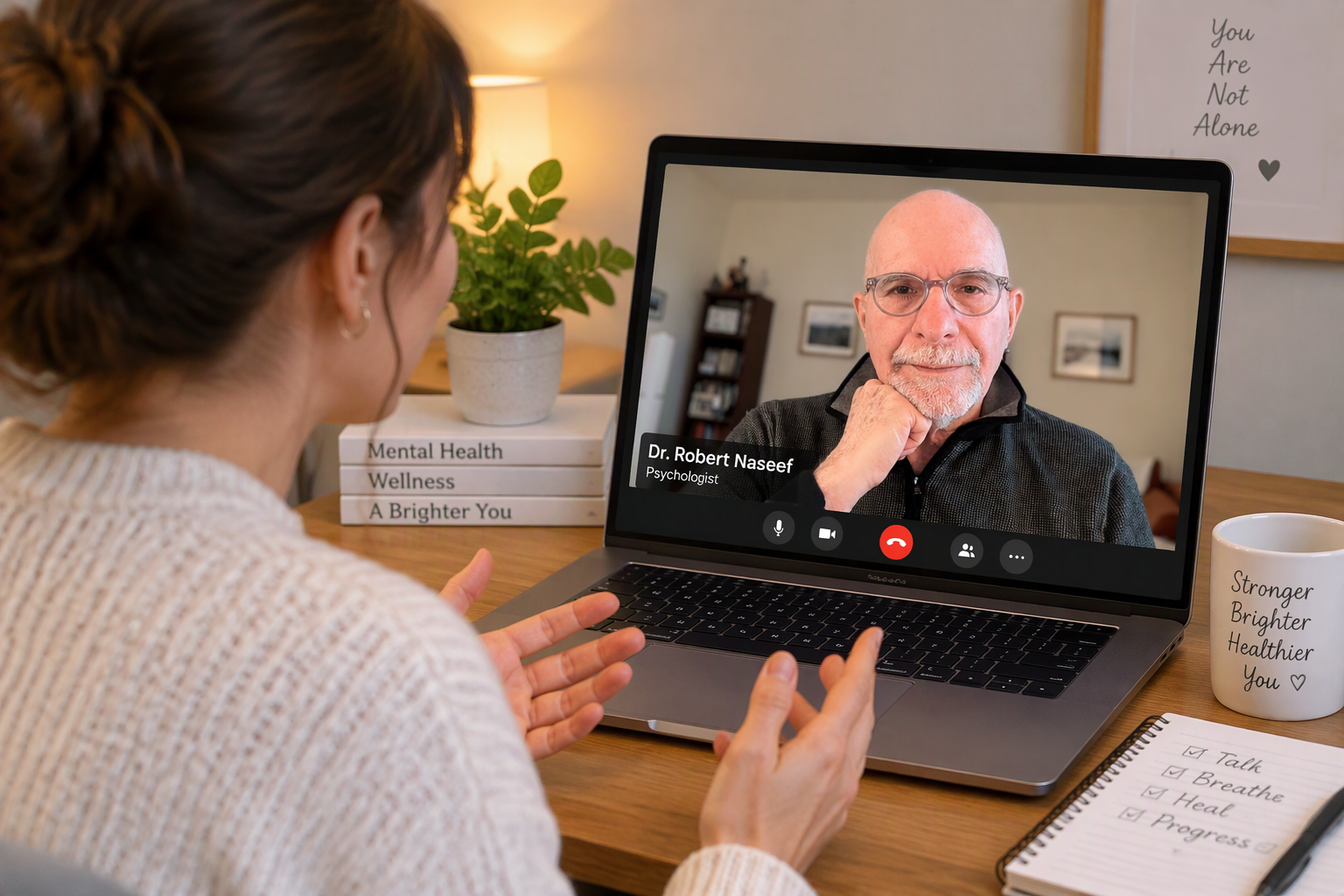
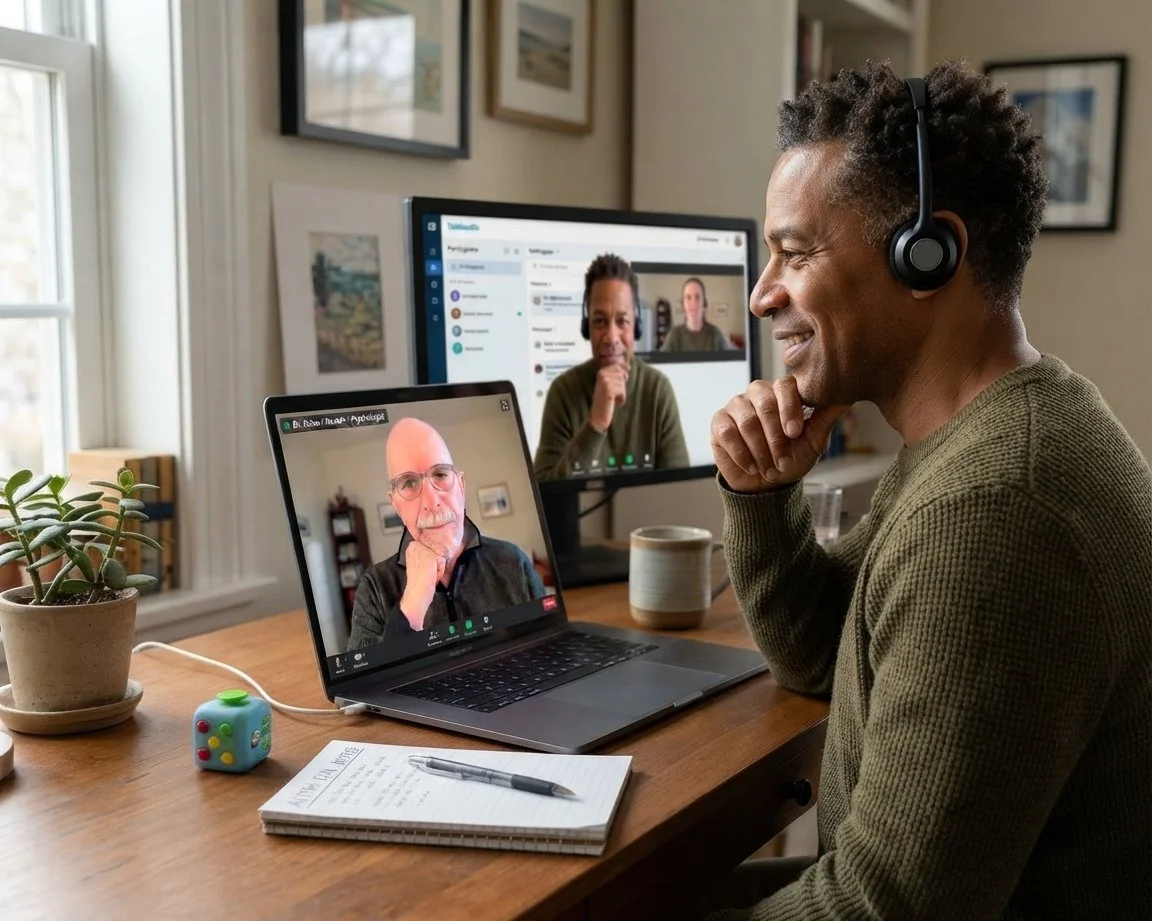
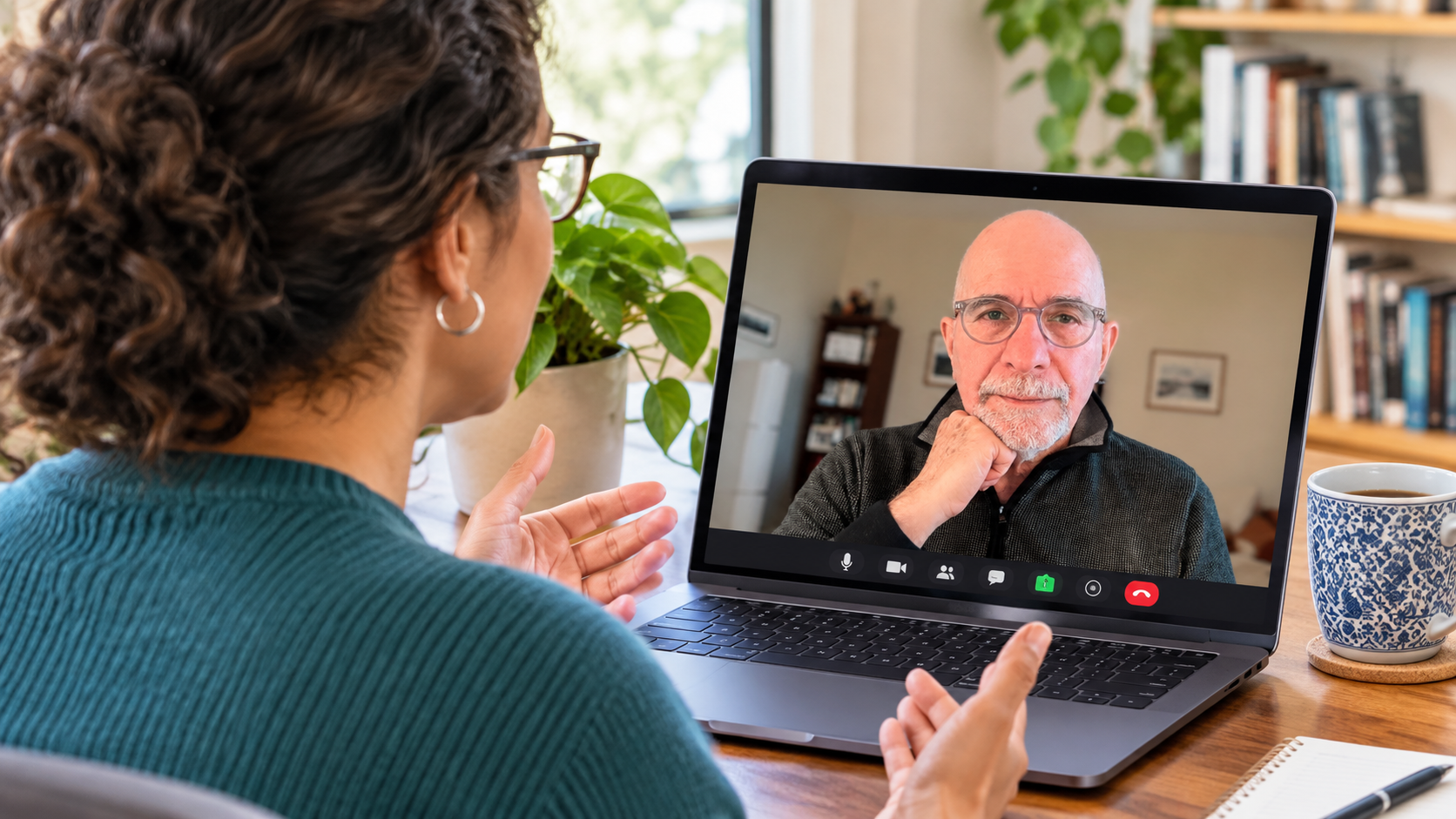
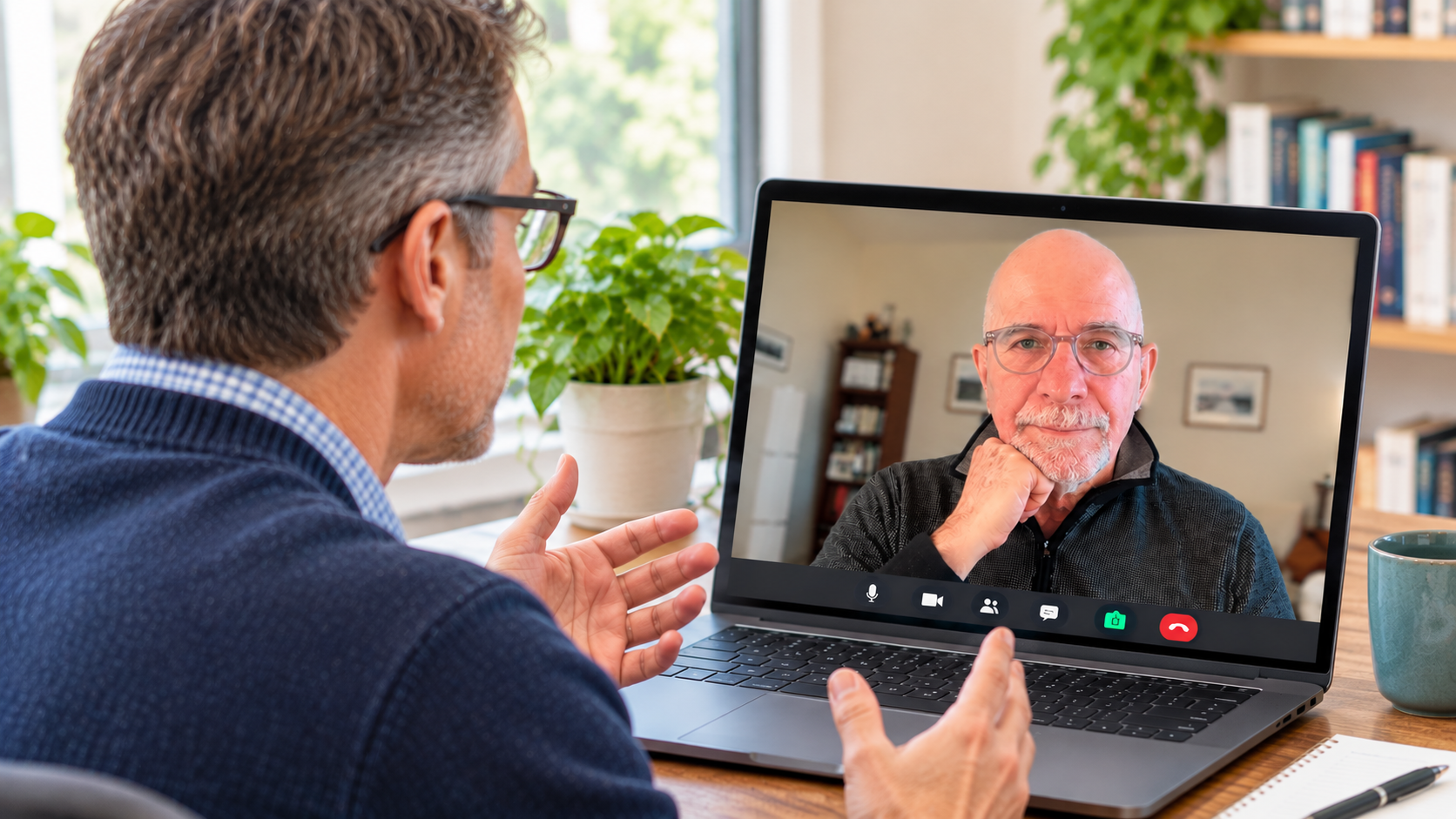
Might you be more than just shy and introverted? Do you have intense passions and special interests? Do you have sensory differences? Do you have a child who was recently diagnosed as autistic and wonder about yourself because you have some of the same traits? If you are open to the possibility that you may be autistic, a professional evaluation can be an important step in self-awareness and a lens to understand your life experiences. You could also be eligible for accommodations in your job or school. Dr. Robert Naseef specializes in diagnosing and treating autistic adults and teens with over 35 years of experience. He has a distinctive voice and perspective as a psychologist and the father of an adult autistic son. Autism presents differently in adults than in children, and many adults (especially women) learn to "mask" or camouflage their traits to fit in. Get clarity with a comprehensive, psychologist-led telehealth autism assessment — designed specifically for adults who've gone undiagnosed.
Common signs of autism in adults include:
-
Finding small talk exhausting, struggling to read facial expressions or tone of voice, taking phrases literally, or feeling like you are "acting" or copying others in social settings.
-
Relying heavily on strict daily habits, feeling deeply distressed or anxious when plans change unexpectedly, and needing time to transition between tasks.
-
Developed intense, deep dives into specific topics or hobbies beginning in childhood.that bring you comfort and structure.
-
Experiencing hypersensitivity or hyposensitivity to lights, sounds, textures, smells, movement, or background noise that others easily tune out.
-
Using repetitive self-soothing actions like hand-fidgeting, rocking back and forth, pacing, leg-bouncing, or repeating phrases.
-
Feeling chronically drained from social events or work due to the hidden energy cost of masking.
Anyone who does not fit into a rigid description of autism that was developed by observing external behaviors in a non-representative sample of primarily white boys. Internal experiences were generally overlooked. Therefore, the influence of age, race, ethnicity, gender, background, and culture meant that many women, girls, and people of color, and others who did not present in a rigid pattern were either missed or misdiagnosed. His reviews show that Dr. Naseef can accurately diagnose autism in men, as well as girls and women.
FAQs
-
Yes, with highly regarded licensed psychologist, Dr. Robert Naseef. He is the father of an adult Autistic son, an author, and a strong advocate for the community.
-
Typically 4 to 5 hours in one hour appointments weekly.
-
The results of the evaluation are your protected healthcare information. You may want to infom your employer if you are requesting accomodations. Your insurance carrier cannot deny you coverage or charge you higher premiums due to a pre-exiting condition.
-
If you do not meet the criteria for autism, it is likey you have another mental health challenge which can be identified. You will get a written report with the conclusioons of your evlauations with recommendations and next steps.
-
Generally in 2-4 weeks.
-
The cost of an adolescent or adult ASD evaluation, done remotely by video, is $1950. If you would also like to be evaluated for ADHD there is anadditional $500 fee.
The process starts with a inital consultation/ screening to see if a full evaluation is indicated. The cost of the initial consultation or screening is $650 which counts towards the full evaluation.
If Dr. Naseef is in network for your insurance plan, you will need to pay any copayment for in-person meetings. The report writing is not covered, so there is a $650 fee for the report.
There are no suprise fees. You can pay by credit, debit, or HSA. A superbill will be provided for those who pay out of pocket.
Neurodiversity is the idea that it's normal and acceptable for people to have brains that function differently. From this perspective, finding out that you are neurodivergent by being formally diagnosed autistic often comes as a relief that can reduce distress and increase self-acceptance and self-compassion. Thus, a formal diagnosis can validate long-held feelings of being different or “weird” or experiencing the world in a unique way, offering a sense of relief and reducing self-doubt. A diagnosis can help explain past challenges and social difficulties, while building a positive identity, embracing neurodiversity, and fostering confidence.
If you are indeed autistic, diagnosis can help loved ones understand your characteristic behaviors and communication styles that might have previously caused conflicts or misunderstandings. A diagnosis can also open doors to connect with the autistic community, both online and offline, and reduce feelings of isolation and fostering a sense of belonging. Connecting with the autism community can empower you to advocate for yourself and others. Therefore, a formal diagnosis can help you become the best version of yourself.
How the Evaluation Process Works
-
Free 15-min phone consult to confirm fit and answer scheduling questions. Contact DrRobertNaseef@gmail.com to schedue your call.
If you just want to ask any questions by email that is fine as well.
-
60-min session covering developmental history, current functioning, and concerns. We will also cover the results of the Autism Quotient and decide whether ir not to have a full evaluation
-
We will disciuss the results of standardized instruments measuring your Repetitive Behavio Questionnaire, Camouflaging Autistic Traits Questionnaire, Sensory Profile, and other instruments if needed.
-
60-min review of findings, diagnosis (if applicable), and next-step recommendations in a comrehensive written report. In an affirming, non-pathologizing framework — the clinician supports both diagnostic and non-diagnostic outcomes. Report delivered as a PDF with DSM-5 criteria mapped clearly for employers, insurers, or schools.
Dr. Robert Naseef is licensed in Pennsylvania, New Jersey, and Michigan.
Feel free to reach out and share your concerns about autism in yourself or your family.


Autistic adults in a social skills training class with the Arc of Philadelphia, conducted by Drs. Stephen Shore and Robert Naseef