Alternative Choices in Psychotherapy and Autism Evaluation

Philadelphia, PA
  • Home
  • Autism Diagnosis
  • Who We Are
    • Robert Naseef, Ph.D
    • Cindy Ariel, Ph.D
    • Robert Sher, Ph.D
  • Dr. Naseef's Blog
  • Public Speaking
    • About Dr. Robert Naseef
    • Keynote Topics
    • Previous Speaking Engagements
    • Endorsements
    • Videos
    • Contact
  • Our 4 Books
  • Contact
  • Home
  • Autism Diagnosis
    • Robert Naseef, Ph.D
    • Cindy Ariel, Ph.D
    • Robert Sher, Ph.D
  • Dr. Naseef's Blog
    • About Dr. Robert Naseef
    • Keynote Topics
    • Previous Speaking Engagements
    • Endorsements
    • Videos
    • Contact
  • Our 4 Books
  • Contact

Dr. Naseef's Blog

Robert Naseef's blog provides insightful views on neurodevelopmental disorders, especially Autism Spectrum Disorders. Combining personal experience and professional insight, he explores challenges faced by individuals on the spectrum and their families. The blog highlights understanding, acceptance, and practical support, serving as a valuable resource for caregivers and professionals seeking deeper awareness and effective strategies.

  • All
  • Acceptance
  • ADHD
  • AuDHD
  • autism
  • autism parents
  • autistic adults
  • autistic children
  • Autistic children
  • civil rights
  • Diagnosis
  • disability justice
  • disability rights
  • Fathers
  • medicaid
  • racism
  • Resilience
  • scientific integrity
  • social justice

What Do Guys Talk About

Robert Naseef January 21, 2014

At last week’s meeting, a guy turned up with the “Guy Talk” flyer in his hand and said, “My girlfriend said I should come here.” After going around the room and introducing ourselves, I asked the new guy what he wanted now that he was here with the rest of us.

“I just want to know how you guys deal with it.”

One man said he meditates in the morning and that helps him stay calm throughout the day.

Another guy talked about going to a cigar lounge once a week and just hanging out.

One father mentioned how he and his wife are finally working together “on the same page” with their boy who has Asperger’s.

Another father going through a divorce talked about how hard it had been, but he mentioned that his son’s special needs were not the core of their marital problems.

Another guy whose son was diagnosed only a few months ago talked about how he has not been able to tell many people. He enjoys coming to this group where he can speak openly, and guys with similar experiences understand.

There was the talk of the embarrassment that sometimes arises in public when a child with special needs acts strangely or is noticed because of poor hygiene.

In this environment where guys were being honest, one guy shared that he is in recovery from alcoholism. He revealed that he had spent years self-medicating and trying to escape his feelings.

Having a safe place to share their experiences brings men together to share how they are coping and give each other ideas. The guy who came because he was told to said he would be back.


Comment

Should you tell your child?

Robert Naseef January 21, 2014

Parents often agonize over if and when they should tell their child he or she has autism or other developmental issues.  If your child had asthma or diabetes, you wouldn’t keep it from her.  If she is on the spectrum or has ADHD or OCD, telling her is still the right thing to do.  Your child needs to know.  You need to be comfortable discussing your child’s diagnosis intelligently and unemotionally. This means working to get past being tongue-tied when people ask you.  Talking about the diagnosis doesn’t need to be THE talk.  It’s actually better to share information as things come up.  For example, “We are going to occupational therapy to learn ways to calm down when your head hurts from all the noise around you.”

A child is ready to know about her diagnosis when she begins asking questions like why it’s hard to have friends, or why handwriting is difficult, or why certain noises bother her more than other people.  Not beginning to talk about your child’s differences will have a negative impact on self-esteem because by this point your child knows something is going on.

Dr. Stephen Shore has developed a four step approach:

1. Discuss strengths and challenges which your child is experiencing.

2. Align your child’s strengths and challenges in two columns.

3. Next make nonjudgmental comparisons by looking at friends and family members and how they compensate for their challenges by using their strengths.

4. Finally discuss the diagnosis by talking about how your child’s set of challenges and characteristics match those with autism or other developmental conditions.

Dr. Shore stresses that there is no particular age to begin discussing your child’s diagnosis. There is no need for a “sit down” talk. Stephen recalled how his parents used the word autism matter-of-factly just like they would talk about brown hair or blue eyes, and this is how he recommends parents go about the process with their children.  Start with the positive aspects of ASD, such as what your child is really good at or knowledgeable about.  People with ASDs often have an incredible memory for detail, especially on their special interest.  They are usually very honest with other people and say whatever is on their mind. It’s important to tell your child all the “good stuff” about him that you would never want to change.

Parents can explain in a matter of fact way that having a spectrum disorder or ADHD just means that your brain works a little differently which makes some things harder but some things easier. Stress your love and devotion in helping your child become all he can be.  These issues will come up repeatedly in various contexts, so it’s important to realize that just one talk won’t suffice. This is all part of the evolving journey of acceptance for parents, children with special needs, and their siblings.

Comment

De-Stressing from Holiday Distress by Drs. Cindy Ariel and Robert Naseef

Robert Naseef December 20, 2013

No matter what tradition you celebrate, holidays are often filled with stress.  There is a lot of pressure to make the holidays perfect and fun while enjoying yourself.  When you add to that the stresses around having a child with special needs it can become even more overwhelming.

Everything needs readjusting in your family life and you are left with many strong emotions. It is on you to make warm experiences and wonderful traditions.   It’s important to sit back for a few minutes and reflect. What is it about the holidays that you’ve always enjoyed?  Special foods?  Pretty decorations?  Certain activities?   The gifts?  All of it?  Whatever it is start there.

Some things may need modification in order to enjoy the holidays with your child.  For example, if there is a danger of injury on fragile decorations, you may have to put them higher out of reach or get new ones that are less fragile.  Some special foods may not be able to be served.  These modifications can be disappointing, but if the goal is a nice family holiday, we can adjust.

Make the demands on yourself realistic. Try to put some limits on how much you do so that you can feel some of the joy, not only the frustration.  Make sensible lists and work on things one at a time.  Looking at the whole holiday season is less overwhelming if you take it in small pieces.  You may have to manage your expectations to lower your stress level and make the holidays special.

For gifts, think about what will put a smile on your child’s face.  Maybe she can’t handle the new games that every other kid is playing, or the current popular book series, or new sports equipment.  But she may be thrilled with a cushy new ball, a big soft bean bag chair to flop on, a favorite food (within dietary constraints), or even an hour away from the noise and confusion to walk outside or go to the playground.  The National Lekotek Center has recommendations on the “Top Ten Things to Consider When Buying Toys for Children with Disabilities” 

These may not be the holidays you dreamed of, but you can still offer your family the love and warmth that really matters.  More than new toys, it is parents’ time and attention that is so exciting and wonderful for children.  In the consumer-driven rush this holiday season, let’s not forget what’s really important.  Let’s try to connect with our families and friends and all whose lives we touch.  Let’s enjoy quality time together.  As Ralph Waldo Emerson wrote many years ago, “The only true gift is a portion of thyself.”

Comment

Fathers and Families

Robert Naseef December 5, 2013

On Saturday, November 16, 2013, I was part of 50 men opening up at a symposium sponsored by the Fathers and Families Center in Indianapolis, Indiana. Dr. Wallace McLaughlin, President/CEO, recognized first-hand the special needs of fathers when the boy he and his wife adopted was diagnosed on the autism spectrum. Through conversations with fathers raising children with special needs, he and his staff recognized fathers’ courage and ingenuity along with the difficulties in their role as partner, provider, and role model. In seeing limited support and resources for men, they made a commitment to step up.

I spoke to these issues in my keynote presentation, “Rethinking Masculinity for Fathers and Families of Children with Special Needs.”

As Greg Schell, the Director of the Washington State Fathers Network, observed, “Having the lead speakers offer transparency in their own stories validated the option of speaking freely about their very personal issues.  Dads took the signal and ran with it!  Dads wanted to discuss their situations, challenges, and triumphs.”

Greg also noted in his workshop how deeply men thought about their personal situations and how they enjoyed hearing what other men had to say.  They talked about resources, possible solutions, and simply shared their perspectives. The message, according to Greg, was powerful: “They are not alone!  They have strengths to optimize…and, just the joy of being around other dads struggling with the same kind of issues, and celebrating many of the same kind of small triumphs made the spirit of the day incredibly satisfying.”

Rodric Reid, Manager of Annual Giving and Special Projects, reflected that “the temperature of the event utterly gave the men permission to become emotionally naked in a protected environment.” The workshops enticed dialogue and bonding.  According to Rodric, “This was perfect for the day for there is no use in giving me tools if you don’t show me how to use them.  Perhaps the most powerful point of the symposium, at least for me, was the Q&A at the end. As I walked around with the mic, I was able to see the emotions roll of almost every man in the room.  All I can say is WOW!  That was so powerful.”

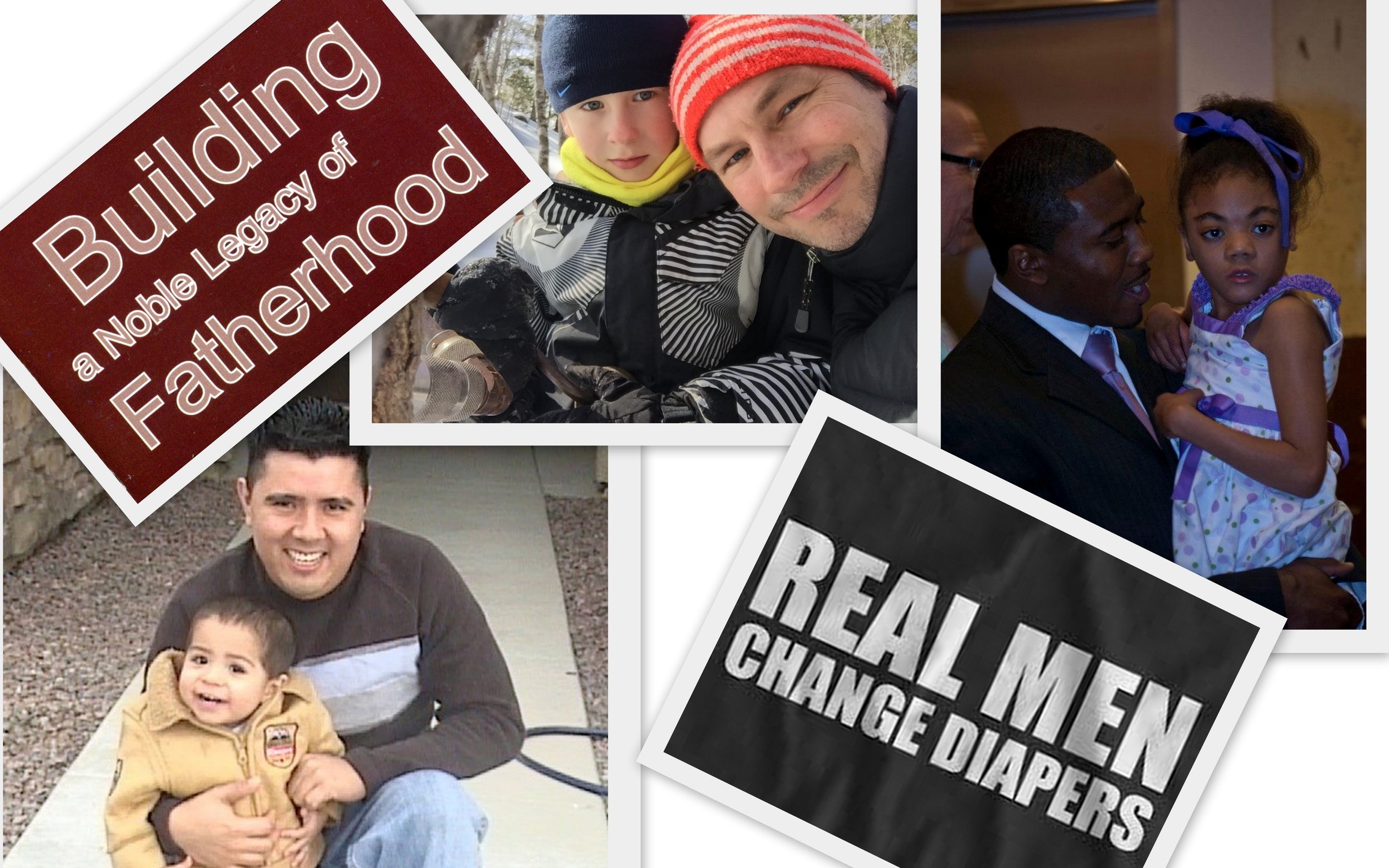
As I boarded my plane back to Philadelphia, I felt inspired by the event I had been a part of and enriched by the men I had encountered.  The conversation will continue with Dr. Wallace McLaughlin who has been a visionary in developing fatherhood programs at the Fathers and Families Center which bears the tagline, “Building a Noble Legacy of Fatherhood.”  The special needs community can certainly benefit and look forward to the contributions of his fine team.

Comment

Relationships under Stress: Raising Children with Autism and Other Special Needs

Robert Naseef November 5, 2013

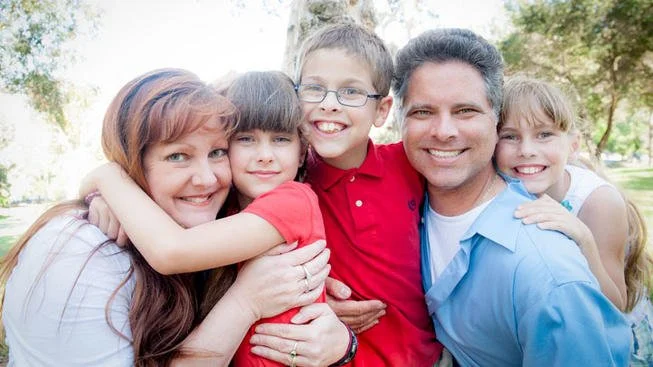
Despite the rumors of an 80% divorce rate, couples raising children with autism are sticking together and doing the best they can under trying circumstances. During the past five years, three research studies have provided significant evidence that couples are not breaking up because of the heightened stress they are experiencing. Photo above is The Afreffi Family, https://www.nbclosangeles.com/news/local/navigating-autism-is-a-book-by-parents-for-parents.html

Psychologist Brian Freedman, PhD, was the lead author of one of these studies and clinical director of the Center for Autism and Related Disorders at Kennedy Krieger Institute.  These findings debunked the general understanding about divorce rates among parents of children with autism. Dr. Freedman and his research team found that 64 percent of children with an autism spectrum disorder (ASD) belong to a family with two married, biological, or adoptive parents.

Previous research clearly established that parenting a child with autism is stressful and puts pressure on the couple’s relationship.  Studies have found couples with a child with autism experience more stress than couples with typically developing children or couples with children with other types of developmental disabilities. Mothers of children with autism report more depression than those with typically developing children, while fathers report they deal with the stress by distancing themselves and becoming less involved with the family.

On Sunday, November 10, 2013, Brian Freedman, Ph.D. was our featured contributor on “Guy Talk” at https://www.youtube.com/watch?v=8_90KapI-dE discussing the research and implications for families raising children with autism and related conditions.  We will talk about how fathers are handling these challenges in their families. You can watch a recording of our conversation on YouTube.  Click here to download a copy of the study.

Robert Naseef and Brian Freedman collaborated on a 2011article for the Autism Advocate,  A Diagnosis of Autism is not a Prognosis of Divorce: Myths and Realities of Maintaining a Marriage as Parents of a Child with Autism.

Click to sign up for Dr. Naseef’s monthly email newsletter.

Comment
  • Dr. Naseef's Blog
  • Older
  • Newer
facebook youtube instagram

Alternative Choices in Psychotherapy and Autism Evaluation

Philadelphia, PA

Alternative Choices | 319 Vine Street #110, Philadelphia, PA 19106, USA

facebook youtube instagram