Alternative Choices in Psychotherapy and Autism Evaluation

Philadelphia, PA
  • Home
  • Autism Diagnosis
  • Who We Are
    • Robert Naseef, Ph.D
    • Cindy Ariel, Ph.D
    • Robert Sher, Ph.D
  • Dr. Naseef's Blog
  • Public Speaking
    • About Dr. Robert Naseef
    • Keynote Topics
    • Previous Speaking Engagements
    • Endorsements
    • Videos
    • Contact
  • Our 4 Books
  • Contact
  • Home
  • Autism Diagnosis
    • Robert Naseef, Ph.D
    • Cindy Ariel, Ph.D
    • Robert Sher, Ph.D
  • Dr. Naseef's Blog
    • About Dr. Robert Naseef
    • Keynote Topics
    • Previous Speaking Engagements
    • Endorsements
    • Videos
    • Contact
  • Our 4 Books
  • Contact

Dr. Naseef's Blog

Robert Naseef's blog provides insightful views on neurodevelopmental disorders, especially Autism Spectrum Disorders. Combining personal experience and professional insight, he explores challenges faced by individuals on the spectrum and their families. The blog highlights understanding, acceptance, and practical support, serving as a valuable resource for caregivers and professionals seeking deeper awareness and effective strategies.

  • All
  • Acceptance
  • ADHD
  • AuDHD
  • autism
  • autism parents
  • autistic adults
  • autistic children
  • Autistic children
  • civil rights
  • Diagnosis
  • disability justice
  • disability rights
  • Fathers
  • medicaid
  • racism
  • Resilience
  • scientific integrity
  • social justice

Resilience: Bouncing Back from Adversity

Robert Naseef October 30, 2014

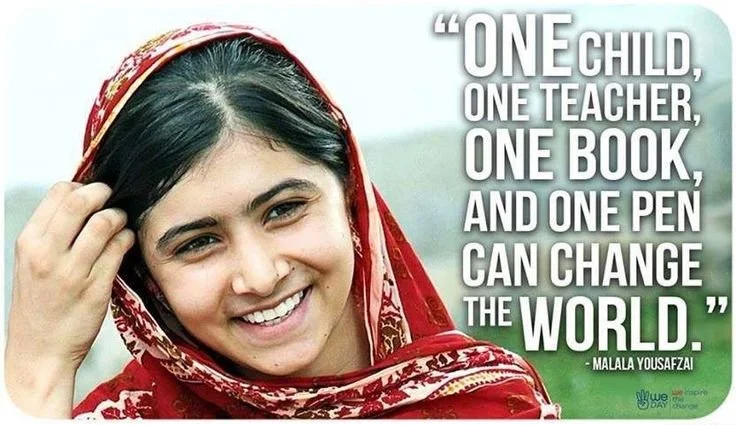
People bounce back from adversity and are even transformed by it far more often than we might guess.  How do they do it? Take, for example, Malala Yousufzai, this year’s winner of the Nobel Peace Prize. In October 2012, in Pakistan, a Taliban gunman shot her in the head on a school bus as she sat with her friends because of her outspoken advocacy of girls’ education. She attended the school that her father had founded.

Malala did not give up.  The bullets have intensified her commitment and garnered the support of the international community.  Closer to home, there are many unsung heroes who were celebrated at the 3rd Annual Family Resilience Conference sponsored by the Devereux Foundation on October 18, 2014.

The keynote speaker was Andrew Solomon, the best-selling author of Far From the Tree: Parents, Children and the Search for Identity. His talk to about 175 parents and professionals was titled, “Our Differences Unite Us.” In his research about parenting children with special needs, he found difficult lives full of pain and complexity, but he was amazed at how much joy he discovered.

Solomon articulated the dilemma of parents needing to change and teach their children versus accepting them and loving them for who they are.  He found a vast gray area and concluded that equanimity is hard won between fixing (the illness model) and acceptance (the identity model).

While every child is a surprise and not as anticipated, he observed parents strongly attached to the child they have. He described how parents became in his words “grateful for the lives they would’ve done anything to avoid.” As the father of an adult child with autism, this has certainly been my experience.

What summed it up was Solomon’s statement that resilience is a shared commodity in that one person generates it in another. The individual, the family, and the broader society each facilitate the ability to bounce back and be transformed in the process.

After lunch, Paul LeBuffe, the Director of the Devereux Center for Resilient Children (http://www.centerforresilientchildren.org/),  facilitated a town hall meeting and panel discussion about personal and family resilience. Inspired by the keynote address, there was a spirited discussion about how families keep it together in the face of the ongoing stress.

The overall lesson of the day is captured in this quote from Andrew Solomon’s landmark book:

 “Having always imagined myself in a fairly slim minority, I suddenly saw that I was in a vast company. Difference unites us. While each of these experiences can isolate those who are affected, together they compose an aggregate of millions whose struggles connect them profoundly. The exceptional is ubiquitous; to be entirely typical is the rare and lonely state.”

Click to sign up for Dr. Naseef’s monthly email newsletter.

Comment

Dealing with Adversity: Everyday Traumas and Lessons in Mindfulness

Robert Naseef October 28, 2014

I never thought when I woke up that I would have a lesson in mindfulness this particular day.  It was a beautiful day, and then in an instant, I wiped out on my bicycle and landed hard on my right shoulder. I thought I would be okay in a few days, but that was not the case.  My summer plans were out the window.

Shoulder surgery meant 6 weeks with my right (preferred) arm in a sling. I couldn’t drive for at least 2 months. Bike riding, swimming, and gardening were out. Not to mention 12 weeks of physical therapy and up to 12 months for maximum recovery.

I was shaken, scared, and somewhat traumatized. But it was just an everyday trauma, almost trivial in a world where war, famine, and natural disasters impact millions of people daily. What it meant for me was that a piece of my stability and security vanished. My personal sense of safety was altered.

I was confronted by the inescapable reality that trauma is an indivisible part of the human experience. It’s a fact that we rather not face but is not the last word. Some trauma, if not too severe, actually offers a chance to grow and broaden our horizons.

Having been healthy and strong, I wasn’t used to feeling weak and vulnerable and needing to ask for help. I surprised myself that I wasn’t filled with resentment. I unexpectedly found more peace from accepting and settling into life as it unfolded.

Now with my physical discomfort as a focus of attention, I am more aware of every step I take, more aware of my body in space, and more aware of speaking and listening to the people around me. Most of all, I am experiencing a deepened gratitude for everything I can do and for the support from my wife and daughters, family and friends—and others who ask about my “broken wing.”

There have been good days and bad days, with slow healing and recovery. There are more than enough tragedies and painful experiences in the world. There is no need to exaggerate or minimize. My own trauma has deepened my compassion for the small and large traumas around me – everyday trauma and more serious inescapable traumatic events.

Life is fragile, and we are powerless in the face of this reality. By facing it, we find wisdom, tolerance, connection, and love. My everyday injury continues to be a profound lesson in humility and how much I have left to learn.

Click to sign up for Dr. Naseef’s monthly email newslette

Comment

A Magical Connection

Robert Naseef July 31, 2014

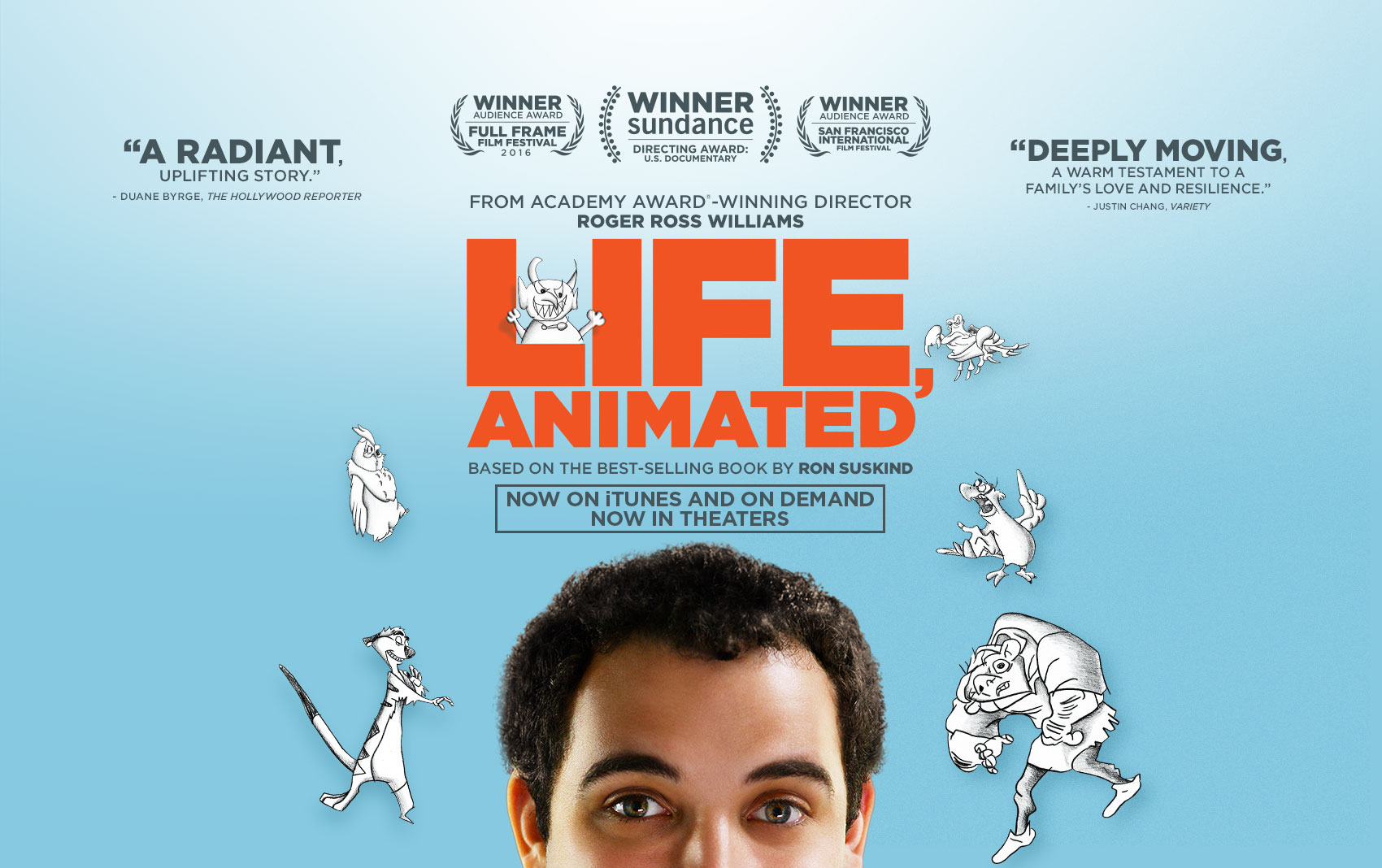
While catching up on my reading, I found a real gem: Life Animated: A Story of Sidekicks, Heroes, and Autism by Ron Suskind. I had heard and read about it, but the original motivated me to write about this family’s story and the wisdom of their son with autism.

Owen stopped speaking just before his third birthday, had trouble sleeping, and cried inconsolably. However, he remained fascinated with Disney animated movies which he loved before the autism emerged. His father’s account of how the family connected with him through this special interest led to a series of breakthroughs. The family watched those movies over and over and began to communicate with their son through the movie scripts.

Joining with a child’s interest is not a new concept; in fact, it came from developmental psychology and has become an accepted part of most autism treatment programs. What is remarkable in this book is the intimate account of how this worked day in and day out in a family: their thoughts, feelings, frustrations, and experiences. We also learn how they built partnerships in their son’s interest with teachers, therapists, and mental health professionals.

Having read hundreds of autism books from parents, researchers, teachers, various therapists, and people with autism, and having written a few myself, I would have to say this is one of the best yet.

It’s so much more than just the memoir by a Pulitzer prize-winning journalist. It has a broad applicability across the autism spectrum and across cultures and social classes. Beyond that it’s about what it means to be family.

Of course, average families do not have the financial resources of the Suskinds who poured about $90,000 per year into resources to help their son. With adequate public support, the methods they used can be made broadly available to address the rapidly expanding public health crisis of autism which currently affects over 1% of children born worldwide, 80% of whom are boys.

There is real grit devoid of a storybook ending; Owen Suskind does not recover from autism. He does make amazing progress, graduates from high school, attend a transitional program on Cape Cod and meets a Disney producer. He does not become a Disney animator as he had dreamed. Owen will likely never become completely independent as his parents had dreamed.

Nonetheless and maybe because of this, Owen, like my adult son with autism who is nonverbal, is a good son and a good brother who has taught his family incredibly profound lessons.

Click to sign up for Dr. Naseef’s monthly email newsletter.

Comment

What Do Guys Talk About

Robert Naseef January 21, 2014

At last week’s meeting, a guy turned up with the “Guy Talk” flyer in his hand and said, “My girlfriend said I should come here.” After going around the room and introducing ourselves, I asked the new guy what he wanted now that he was here with the rest of us.

“I just want to know how you guys deal with it.”

One man said he meditates in the morning and that helps him stay calm throughout the day.

Another guy talked about going to a cigar lounge once a week and just hanging out.

One father mentioned how he and his wife are finally working together “on the same page” with their boy who has Asperger’s.

Another father going through a divorce talked about how hard it had been, but he mentioned that his son’s special needs were not the core of their marital problems.

Another guy whose son was diagnosed only a few months ago talked about how he has not been able to tell many people. He enjoys coming to this group where he can speak openly, and guys with similar experiences understand.

There was the talk of the embarrassment that sometimes arises in public when a child with special needs acts strangely or is noticed because of poor hygiene.

In this environment where guys were being honest, one guy shared that he is in recovery from alcoholism. He revealed that he had spent years self-medicating and trying to escape his feelings.

Having a safe place to share their experiences brings men together to share how they are coping and give each other ideas. The guy who came because he was told to said he would be back.

Comment

Should you tell your child?

Robert Naseef January 21, 2014

Parents often agonize over if and when they should tell their child he or she has autism or other developmental issues.  If your child had asthma or diabetes, you wouldn’t keep it from her.  If she is on the spectrum or has ADHD or OCD, telling her is still the right thing to do.  Your child needs to know.  You need to be comfortable discussing your child’s diagnosis intelligently and unemotionally. This means working to get past being tongue-tied when people ask you.  Talking about the diagnosis doesn’t need to be THE talk.  It’s actually better to share information as things come up.  For example, “We are going to occupational therapy to learn ways to calm down when your head hurts from all the noise around you.”

A child is ready to know about her diagnosis when she begins asking questions like why it’s hard to have friends, or why handwriting is difficult, or why certain noises bother her more than other people.  Not beginning to talk about your child’s differences will have a negative impact on self-esteem because by this point your child knows something is going on.

Dr. Stephen Shore has developed a four step approach:

1. Discuss strengths and challenges which your child is experiencing.

2. Align your child’s strengths and challenges in two columns.

3. Next make nonjudgmental comparisons by looking at friends and family members and how they compensate for their challenges by using their strengths.

4. Finally discuss the diagnosis by talking about how your child’s set of challenges and characteristics match those with autism or other developmental conditions.

Dr. Shore stresses that there is no particular age to begin discussing your child’s diagnosis. There is no need for a “sit down” talk. Stephen recalled how his parents used the word autism matter-of-factly just like they would talk about brown hair or blue eyes, and this is how he recommends parents go about the process with their children.  Start with the positive aspects of ASD, such as what your child is really good at or knowledgeable about.  People with ASDs often have an incredible memory for detail, especially on their special interest.  They are usually very honest with other people and say whatever is on their mind. It’s important to tell your child all the “good stuff” about him that you would never want to change.

Parents can explain in a matter of fact way that having a spectrum disorder or ADHD just means that your brain works a little differently which makes some things harder but some things easier. Stress your love and devotion in helping your child become all he can be.  These issues will come up repeatedly in various contexts, so it’s important to realize that just one talk won’t suffice. This is all part of the evolving journey of acceptance for parents, children with special needs, and their siblings.

Comment
  • Dr. Naseef's Blog
  • Older
  • Newer
facebook youtube instagram

Alternative Choices in Psychotherapy and Autism Evaluation

Philadelphia, PA

Alternative Choices | 319 Vine Street #110, Philadelphia, PA 19106, USA

facebook youtube instagram