Alternative Choices in Psychotherapy and Autism Evaluation

Philadelphia, PA
  • Home
  • Autism Diagnosis
  • Who We Are
    • Robert Naseef, Ph.D
    • Cindy Ariel, Ph.D
    • Robert Sher, Ph.D
  • Dr. Naseef's Blog
  • Public Speaking
    • About Dr. Robert Naseef
    • Keynote Topics
    • Previous Speaking Engagements
    • Endorsements
    • Videos
    • Contact
  • Our 4 Books
  • Contact
  • Home
  • Autism Diagnosis
    • Robert Naseef, Ph.D
    • Cindy Ariel, Ph.D
    • Robert Sher, Ph.D
  • Dr. Naseef's Blog
    • About Dr. Robert Naseef
    • Keynote Topics
    • Previous Speaking Engagements
    • Endorsements
    • Videos
    • Contact
  • Our 4 Books
  • Contact

Dr. Naseef's Blog

Robert Naseef's blog provides insightful views on neurodevelopmental disorders, especially Autism Spectrum Disorders. Combining personal experience and professional insight, he explores challenges faced by individuals on the spectrum and their families. The blog highlights understanding, acceptance, and practical support, serving as a valuable resource for caregivers and professionals seeking deeper awareness and effective strategies.

  • All
  • Acceptance
  • ADHD
  • AuDHD
  • autism
  • autism parents
  • autistic adults
  • autistic children
  • Autistic children
  • civil rights
  • Diagnosis
  • disability justice
  • disability rights
  • Fathers
  • medicaid
  • racism
  • Resilience
  • scientific integrity
  • social justice

Neurodiversity is trending: A commencement speech

Robert Naseef June 24, 2018

For all the graduates, what a beautiful and momentous day! Let’s enjoy it to the fullest, but let’s not forget those less fortunate than us wherever they might live on the planet we share. Please accept my heartfelt congratulations! Graduations are times of intense emotion. I’ve never been to a graduation for myself or anyone else when my eyes didn’t tear up. Graduations are times of intense emotion. (Y.A.L.E. School, Cherry Hill, N.J., June 14, 2018)

Take a moment; take a deep breath and inhale the air at the top of what must have once seemed like a mountain for you and for your families. Today marks an ending and a beginning. An ending of high school and the beginning of a transition to college or vocational training. This next chapter of your lives won’t be easy, but you have everything you need. And what would a commencement speech be like without some quotes from famous people?

You know all too well what Kermit the Frog meant when he said, “It’s not easy being green.” 

You have bounced back over and over with resilience and support and advocacy from your families. You’ve had a good education here at the Y.A.L.E. School guided by the scientific evidence how learning occurs and what makes Neurodiverse young people successful. You’ve had teachers and therapists and administrators who have worked hard and care deeply about you.

Just briefly, Neurodiversity is trending. It’s the notion that conditions like autism, dyslexia, and attention-deficit/ hyperactivity disorder (ADHD) are as naturally occurring cognitive variations with distinctive strengths that have contributed to the evolution of technology and culture rather than mere checklists of deficits and dysfunctions.” Employers, large and small as well as public and private, are realizing the benefits of a diverse workforce including people like you who are graduating today.

The concept of neurodiversity turns previously diagnosed deficits into strengths and advantages. So your different kind of mind also contains your power. For example, while individuals with ASD generally have difficulties socializing, they spend very little time socializing at work. You may have trouble getting the big picture or the gist of something, though you have an intense focus for the details. You may have difficulty with teamwork, yet are good at working independently on a project. There may be difficulties with reading comprehension, but there is a special talent for decoding.

As Temple Grandin put it, “the world needs all kinds of minds.”

Another example is that people with ADHD can excel in many occupations, such as police officers, firefighters, sales, medical professions, mechanics, construction, delivery people, etc.  Accommodations, such as extremely clear instructions, and using preferred methods of communication, are useful for all employees.

What’s good for people with different kinds of minds is usually good for everyone else.

While people with ADHD cannot maintain focus well on one thing, they can focus intensely. Also, they would rather not spend time on details, but they can get the whole picture rather quickly. You may take on too many tasks simultaneously, but have the advantage of being very energetic. You may blurt things out, but are good at brainstorming which is an advantage in teamwork. You might have little interest in non-preferred tasks, but are passionate about things you are interested in. It may be hard to get your attention, but you are good at multitasking.

As Albert Einstein put it, “Everybody is a genius. But if you judge a fish by its ability to climb a tree, it will spend its whole life believing it is stupid.”

Undoubtedly you have been hearing that the time is coming for you to advocate for yourselves. Make no mistake about it, if you don’t hand in an assignment on time, your professor will not take kindly to an email from your mom. You will be entitled to reasonable accommodations in post-secondary education or employment, but you will not be guaranteed services. You will have to speak up clearly about the accommodations you may need to be successful, such as extra time for tests or a quiet place to work, etc.

At first, you may think may think you don’t need any help, and that’s not abnormal for a new graduate, but I urge you to think and plan ahead and put in place the supports that you may need in the classroom or the workplace.

For parents, the challenge will be to stay out of your helicopter but remain available when needed. When your graduate does not want your help, try not to take it personally and realize that this is normal human development. It is how we all grow up, but it might be uncomfortable given all the effort it has taken to get to this day.

The journey of parenting is full of pushing and pulling, holding on and letting go. Speaking for myself, everything I have ever let go of had claw marks all over it!

As I have come to know, this lifelong journey that we are all on is truly an Odyssey, like the epic Greek poem, full of twists and turns as well as joys and sorrows, defeats and victories. So have a great day celebrating the victory of your graduation. Let the joy seep in and become a part of conditioning your mind for the struggles and successes that lie ahead. Use the tools that have gotten you here adapted to the challenges you will encounter.

I wish you well in love and work with safety and security every step of the way.

Click to sign up for Dr. Naseef’s monthly email newsletter.

7 responses to “Neurodiversity is trending: A commencement speech”

  1. Joan Azarva

    Jun 25, 2018 at 1:47 am

    Edit

    Perfect graduation message- you hit it out of the park! I couldn’t agree more and have heard this message at professional conferences. This viewpoint needs to be more widely promoted among the lay public.

    Like

    Reply

    1. Robert Naseef, Ph.D.

      Jun 25, 2018 at 12:53 pm

      Edit

      Thanks, Joan! Each in our community needs to carry the message forward in whatever way we can.

      Like

      Reply

  2. Steve Glazier

    Jun 25, 2018 at 12:49 pm

    Edit

    Beautiful. I am sure it was well received. Congratulations for the honor of being chosen commencement speaker.

    Like

    Reply

    1. Robert Naseef, Ph.D.

      Jun 25, 2018 at 12:51 pm

      Edit

      Thanks, Steve!

      Like

      Reply

  3. leslie ochroch

    Jul 23, 2018 at 10:03 am

    Edit

    Dr. Naseef, thank you for sharing this with us – as a parent is it heart filling and as someone dedicated to the value of neurodiversity, i really appreciate that message being explained so clearly! Thank you!! Leslie

    Like

    Reply

  4. Preparing neurodiverse youth for the workplace | Dr. Robert Naseef: Autism and Special Needs Keynote Speaker

    Aug 12, 2018 at 7:26 pm

    Edit

    […] https://drrobertnaseef.wordpress.com/2018/06/24/neurodiversity-is-trending-a-commencement-speech/ […]

    Like

    Reply

  5. From Ambiguous Loss to Acceptance with Dr. Robert Naseef | Affect Autism

    Nov 18, 2019 at 7:14 pm

    Edit

    […] Neurodiversity is Trending: A Commencement Speech […]

    Like

Comment

There’s not one way to be a man: Or father a child with autism

Robert Naseef June 3, 2018

Men find it extremely difficult to talk about a problem they cannot fix. Of course, women want to fix the problem as well but generally have an easier time talking about problems. I know about this dilemma firsthand as the father of a now adult child with autism. Learning how to talk about our child’s condition is a vital step in being able to engage actively with our families and with the professionals we turn to for help.

Our tender and heartfelt emotions are not stereotypically masculine. Most men are comfortable being grumpy, irritable, or angry. Even though the role of fathers has changed considerably in our lifetime, some degree of irritability or anger is still the traditionally acceptable emotion for men.

We need to model for our families that we can express the tender emotions inside us but typically hold in. It’s okay to let a tear roll down your cheek when watching a movie or a tv show such as “This is Us” during an emotional scene. Let’s not pretend something just got in our eye. It’s ok to admit that we are afraid, such as when you’re out with the family, and another car slams on the brakes or swerves and narrowly avoids hitting your car.

It’s exhausting to pretend to be “strong” all the time. Keeping a stiff upper lip when sad or afraid is part of the traditional boy code. The unwritten rules of how to be a real boy or a real man are conditioned into our brains from early on. A “real man” is thought to be stoic and unemotional, physically strong, and doesn’t show weakness or ask for help. Fortunately for everyone, the #MeToo and Times Up movements are challenging us to look deeper and beyond the stereotypes that serve as gender straitjackets.

A man who cooks a fancy dinner for his family, for example, shows his daughter and his son that cooking isn’t inherently female. Teaching a daughter to mow the lawn or fix a leaky faucet shows these tasks are not inherently male. Men tend to be action oriented. Being more fluid with roles can create a discussion of what it means and what it doesn’t mean to be a female or male in today’s world.

On the plus side, our action-oriented, fixing mode is how we instinctively show our love and devotion to our families. While we all do so much to earn a living, fix stuff around the house, and drive our children to activities and therapies, it is vitally important to take that extra step to listening with keen attention. Sometimes this is all that is asked for and the only action we need to take; at other times, it leads to the needed action.

Nonetheless, raising a child on the autism spectrum can bring steep challenges. It’s not unusual for a father to find himself at a loss of how to interact with a child who is different from the one he expected. However, as dads learn to deal with this sense of powerlessness, they discover what they CAN do to help their child with autism (80% of whom are boys).

Traditionally, fathers have tended to “specialize” in play, whereas mothers “specialize” in caretaking and nurturance. A father’s play with his child is typically more active and rough-and-tumble, which gives them a distinctive role in supporting their child’s development through play. However, it tends to be more difficult to engage in play with a child who has more repetitive, and less varied play, as well as other challenging behaviors.

We need to spend some time each day joining our child on the floor or at the table having fun, following our child’s lead, and building a connection. Your child with autism is still a child, and we are still men and fathers. Our sons and daughters need more from us than a roof over their heads, therapy, and school.

From my experience facilitating support groups, workshops, and counseling fathers and families several key lessons stand out:

  • Focus on what’s going right

  • Celebrate every success, large or small

  • Remember not to take things personally

  • Temper expectations

  • Learn increased levels of patience

  • Embrace what “is” versus what is “supposed to be”

As I reflect on Father’s Day, our struggle needs no longer be framed in how to be a real man. A better goal is becoming our best selves and comfortable with who we are. In that process, we can help our children and family be their best selves as well. We need a fluid way to think about gender.  The reality is that we’re all in this together, and we have a shared responsibility to make a better world for women and men along with the children in our care.

Click to sign up for Dr. Naseef’s monthly email newsletter.

7 responses to “There’s not one way to be a man: Or father a child with autism”

  1. John

    Jun 4, 2018 at 8:20 pm

    Edit

    Great article… I am one who celebrates the differences between the mother and father of an adult child of autism. You make great points which are true regardless of our circumstances with our children. Keep up the excellent work. Look forward to the next time you are in Reno.

    Like

    Reply

    1. Robert Naseef, Ph.D.

      Jun 25, 2018 at 4:24 pm

      Edit

      I look forward to Reno again and crossing paths John.

      Like

      Reply

  2. Glen Finland

    Jun 4, 2018 at 9:00 pm

    Edit

    Another thoughtful essay by Dr. Naseef. I’m sharing this one too. Happy Father’s Day to one of the best!

    Like

    Reply

    1. Robert Naseef, Ph.D.

      Jun 25, 2018 at 4:23 pm

      Edit

      Thanks for your very kind words, Glen. I hope our paths cross again.

      Like

      Reply

  3. Thomas Needham

    Jun 5, 2018 at 12:24 pm

    Edit

    Bob, thanks for reminding all of us men and fathers that we don’t all need to fit into one specific role. Being good at being ourselves is the goal to work towards. And, those key lessons? They are the best. The hardest for me are to temper my expectations and to celebrate even the small successes.
    I want to wish you and all the other dads out there a Happy Father’s Day. In so doing, I am going to share your Father’s blog with our current and alumni parents at Hill Top Prep, to provide them with some perspective and encouragement too.

    Like

    Reply

    1. Robert Naseef, Ph.D.

      Jun 25, 2018 at 4:24 pm

      Edit

      Thanks for your constant support, Tom.

      Like

      Reply

  4. Jessica Anderson

    Jun 6, 2018 at 2:05 am

    Edit

    This is all so true. I will be sharing this with the parents I work with as well as trying to remember it in my own personal journey as a parent. Thank you, and happy Father’s Day!

Comment

Autism Acceptance and Beyond

Robert Naseef March 21, 2018

Autism Awareness month is right around the corner. What does it mean to you?  (Arabic translation below)

The road to acceptance routinely starts with some level of denial. Our biggest problem is that we don’t want any problems, and we think we would be happy without them. If we can’t solve problems, how can we live day to day? We start out as individuals and as a society denying a problem exists or when we do acknowledge a problem, we often deny how serious it may be.

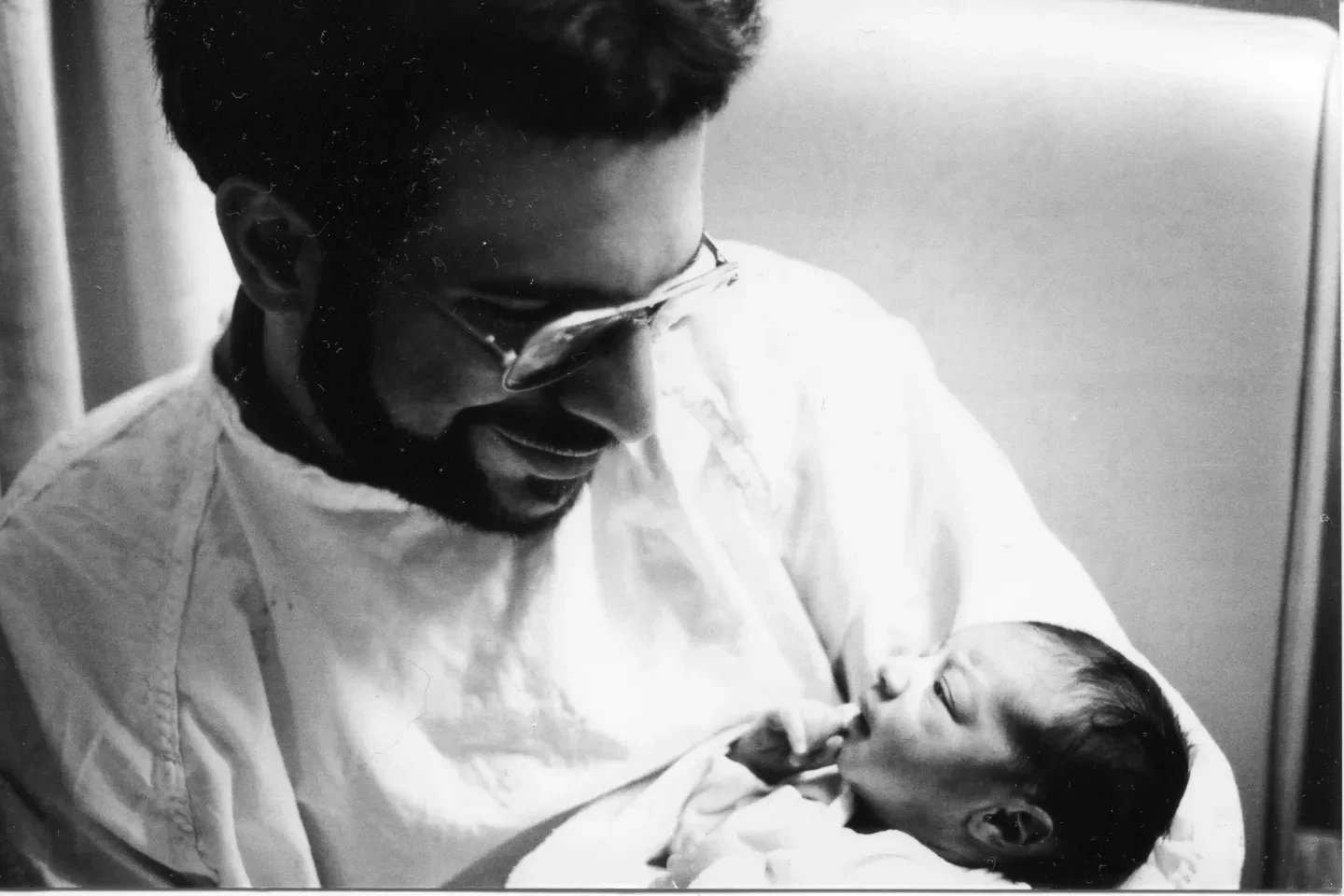
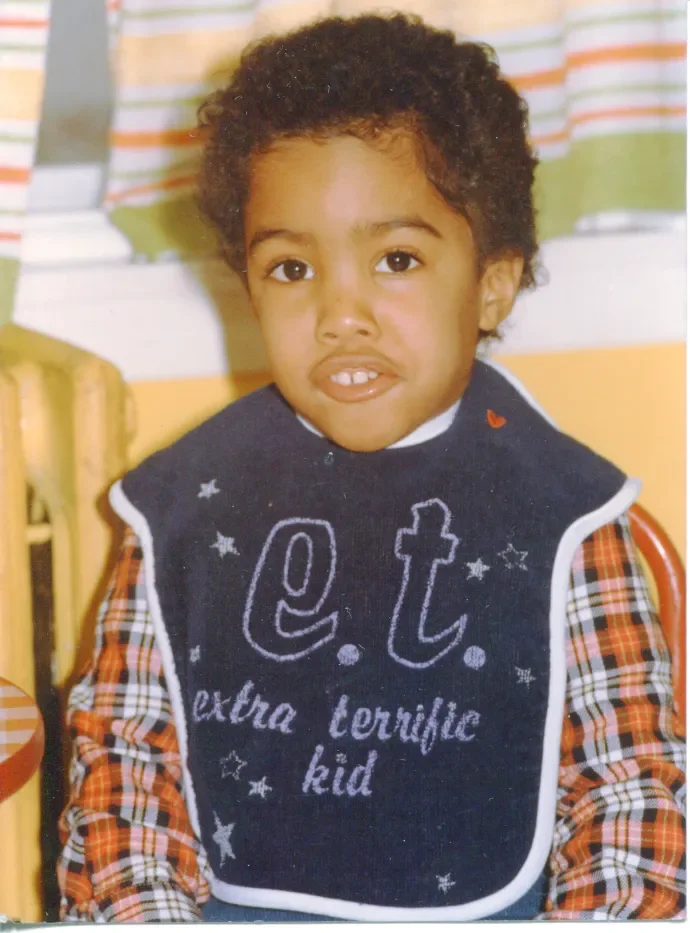
I became a typical father in 1979. It was a dream come true—those magical first smiles, first steps, first words. Like most children with autism, my son’s early development seemed perfectly normal. I have a photo in which he made eye contact at 1 day old. He met his other milestones on time. Then in 1981, Tariq stopped talking, stopped playing normally, and began flapping his arms and pacing endlessly.

In 1984, around 4 ½ years of age, he was finally diagnosed. I couldn’t get the “A” word out of my mouth. It’s been called the “autism bomb.” I can remember the feeling that my head was going to explode. I couldn’t believe that it was a lifelong condition. That I would lose my perfect baby was beyond anything I could fathom. I can remember believing that I would never smile or laugh again if he never spoke again. 

I was determined that I would not accept his autism.

Denial is essentially human and serves as a defensive mechanism that keeps us from getting too close to pain. We need denial when we’re not strong enough internally or when we don’t have enough support to deal with a painful situation. In our journey through life, denial is pervasive, constructive, and necessary to a point. However, it can be destructive if we don’t deal with it. Of course, we don’t want to believe bad news, but denial doesn’t make it go away.

Parents need support and good services to come to terms with what is possible and what is not for their child. I could not have ever found peace without support. My wife Cindy, Tariq’s stepmom, weathered the storms of his autism with me and never wavered in her love. She knew autism from working in the field and helped me grasp the diagnosis I was trying desperately to deny. It took me two years before I could utter the word “autism”.

From those first red flags of autism until now, I have not stopped experiencing autism and the family—the central theme of my life and work—counseling, teaching, and writing about the impact of autism on families. My articles and books have brought me into the lives of families around the country and the world.

Denial leaves us with few options to solve the problem, so opening to awareness is the necessary next step. We must look into the problem, explore, investigate, and understand it. It’s no accident that the Autism Society started Autism Awareness Month in April 1970. The growing awareness of the many problems that autism poses for individuals and families has led to constructive action. While denial keeps the door closed, awareness is needed at the individual and societal level to open the door to acceptance and what we can do.

Awareness comes with pain and frequently with anger which closes us down. By accepting the pain of wanting and wishing, of loss, and the mismatch of expectations and reality, only then can we truly open to possibility. Hearing that autism cannot be cured is a bomb for families at the moment of diagnosis.

Of course, we want to fix the problem, but given the lifelong nature of the condition, what is our responsibility to do? How do we live with it? We don’t have to deny what we cannot change. What do we let go of because we are powerless to change? Acceptance is not about giving up or resignation, but rather learning to live with something that is hard to face.

How could it be that my son would grow to adulthood and not read or write or speak? It was a grief like no other. My dream of a healthy child shattered. As it is for so many people in this situation, my hope for a cure would live on. For a long time, I believed that the best medical care and my love and efforts would change him.

In order to go on, we are required to accept the situation, the pain inherent in it, and the loss of what we expected. From that acceptance, we can arrive at a sense of ownership of the challenges and a strategy to do something constructive. Taking the right amount of responsibility comes from seeing the challenges clearly. This process of learning how to live with autism is ongoing. Learning that we can make a difference is a huge step on the path to acceptance.

I learned the developmental approach of celebrating what my son could do. This made a huge difference in our relationship. He became a happy child, and I learned to enjoy him and accept him as he was. When I constantly pushed him to do the things that seem ‘typical’, he was frustrated and cranky. When I played with him in the ways I thought were weird, such as by flapping, he laughed and responded and was happy.

Initially, parents struggle with the symptom of autism: problems with speech and language, difficulties relating to others, and repetitive activities. Most initially become very upset with their child’s difficulties and struggle to accept their child’s eventual diagnosis. They seek support and the appropriate interventions. They learn everything they can about autism. They learn about themselves in the process and fall in love with their child all over again.

Too much emphasis on trying to change or fix the child spoils the loving which is at the core of the relationship. Children with autism need positive, energetic parents enjoying and loving them as they are and simultaneously cheering them on for every little achievement. Inch-stones as opposed to milestones. Scientific evidence affirms that individuals with autism, just like those typically developing, can learn and progress through their lifetime. Early diagnosis, intensive evidence-based services, and parent involvement are all essential.

Loving someone with autism can be a transformational experience. When you lose the normal child you dreamed of, there’s no word for how alone you feel. You worry, you cry, you scream, you agonize…you grieve for what might have been for your child, for you, for your family.

What you couldn’t dream is how such a child could change you and bring out the best in you. After several years of trying to change and fix my son, I was writing in my journal and crying and realizing that he had changed me. This realization was the beginning of making me a better man and a better father-the journey that I am still on.

The very word “autism” can be a barrier to our shared humanity. Children with autism are first and foremost children. This irreducible truth is the key to unlocking the door to living, learning and accepting day by day the differences that autism makes for families. It is vital to think beyond the diagnosis and connect in the moment.

Mothers and fathers around the world are asking the same questions I anguished over 3 decades ago. Is there a cure? Will my child speak normally? Is the autism mild or severe? Did vaccines cause it? What about special diets? Can medication help? Can my child have a relationship? Will my child ever be independent? What’s the risk if we have another child? Finally, how can we help our child?

It takes time to get beyond these issues which understandably preoccupy us and we live day-by-day, noticing what is right and what is working at any given moment. It means getting together whether on the floor or at the table and enjoying each other’s company and interactions.

When we love someone, we want to be with them, yet sometimes it is hard to be with my son. A recent example occurs when he insists on getting back in the car when we go to the park and refuses to spend any time outside of it. The result is feeling like a bad person because I don’t want to be with him. These experiences have taught me to develop a capacity for patience which has served me well in other aspects of my life. Young people with autism, who have the verbal ability to describe their experience, tell me that the patience of their parents and teachers have helped them become who they are today.

When we learn to pay attention to what is going on in the moment, we can be angry, relieved, sad, hopeful, ashamed, scared, and peaceful before we even manage to get dressed and have breakfast in the morning. Psychologist and Buddhist Tara Brach has called this radical acceptance—the willingness to experience ourselves and our life as it is.

Tense uncomfortable feelings among family members often come from longing for things to be different from how they are and sometimes even blaming each other. Most likely we are all doing our best under trying circumstances, including the individual with autism. Giving each individual the benefit of doubt is acceptance in the family.

As we navigate everyday life with acceptance, we come to an appreciation of the autism spectrum as part of the broader human spectrum and the possibilities that open as we live. As we understand it currently, the autism spectrum has a wide span from the mentally gifted to the intellectually cognitive disabled. Their families are as diverse as the children.

Dr. Stephen Shore, a special education professor and autism self- advocate, states, “Tolerance and acceptance give a sense of putting up with something, whereas understanding and appreciation suggests valuing the contributions that individuals with autism bring to humanity.” From this perspective, autism is neither good nor bad. It just exists. It’s up to us as individuals and societies to support people with autism and their families in having full and productive lives. This matters especially in 2018 as larger and larger numbers of children with autism reach adulthood. Their skills and talents have virtually untapped potential to contribute to society on various levels from unskilled repetitive tasks to highly skilled STEM occupations.

I have come to realize that autism in the family teaches us about what it means to be human. It’s an Odyssey, filled with twists and turns as well as joys and sorrows. This is what acceptance looks like. It can’t really be any other way.

Just to fill you in, Tariq never spoke again and never learned to read or write. There are still times I wonder what might have been. Today he lives in a group home. He is severely autistic all the time and happy most of the time. Although he cannot speak, this is how his autism has spoken to me.

**********

Robert Naseef, Ph.D. has a distinct voice as a psychologist and father of an adult son with autism. He has spoken around the country and trained professionals internationally in treating autism and supporting families. Along with Stephen Shore, Ed.D., Dr. Naseef is a lead consultant to the Arc of Philadelphia and SAP’s “Autism at Work” program which involves collaboration with the Pennsylvania Department of Education and the Bureau of Vocational Rehabilitation. He speaks at conferences nationally and internationally on issues facing families of children with autism and other special needs. He has a special interest in the psychology of men and fatherhood.

Click to sign up for Dr. Naseef’s monthly email newsletter.

*********

الترجمة العربية: إيهاب غنام، بريد الكتروني Arabic Translation: Ihab Ghannam, email: ihab.ghannam@gmail.com 

رحلة تقبل التوحد

للدكتور روبرت نصيف

في كثير من الأحيان، نجد أن إنكار وجود المشكلة هو أول ردة فعل قد تصدر عن المرء في بداية المشوار مع اضطراب التوحد في حياته. فالإنسان بطبيعته لا يفضل وجود المشاكل ومجابهتها، كي يبقى سعيداً وآمناً. ولكن استمرارية الحياة تتطلب منا مواجهة التحديات ومحاولة حلها. مع هذا، فإننا كأفراد أو كمجتمع نميل بطبيعتنا نحو انكار وجود المشكلة، أو حتى إن أقررنا بوجودها فقد ننكر مدى خطورة هذه المشكلة.

“أصبحت أباً في عام 1979م. وكسائر الآباء، كانت فرحتي لا توصف-بابتسامات طفلي السحرية،بخطواته و كلماته الأولى. لقد بدت مراحل النمو عند طفلي طبيعية مثل باقي الأطفال التوحديين. لا زالت لدي صورة له ينظر إلي في اليوم الأول من حياته. ولكن في عام 1981م، توقف ابني طارق عن الكلام، لم يعد يلعب بشكل طبيعي، وبدأت تظهر رفرفة اليدين والحوم في الأرجاء بشكل متواصل.

عندما أكمل طفلي عامه الرابع والنصف في سنة 1984م تم تشخيصه. لم أكن قادراً على نطق الكلمة أو حتى الحرف الأول منها A. . كان يطلق على الاضطراب في وقتها autism bomb قنبلة التوحد. لا زلت أذكر احساسي آنذاك أن رأسي على وشك الانفجار. لم أصدق أنني سوف أعيش طيلة حياتي مع هذه المشكلة، وأن ابني لم يعد كاملاً. ما زلت أذكر اعتقادي أنني لن أبتسم أو أحس بالسعادة ما لم يتكلم ابني من جديد.

عندها، أصررت أن أرفض هذا الوضع، وأن أواجه التوحد”

يعد الإنكار وسيلة دفاعية لدى الانسان يستخدمها لابقائه بعيداً عن الإحساس بالألم النفسي. قد نميل للإنكار عندما لا نكون أقوياء بشكل كاف، أو عندما لا يكون هناك أي دعم يجعلك تواجه موقفا مؤلما في حياتك. وفي مشوارنا في هذه الحياة، قد يكون الانكار طاغياً وبناءً وضروري لحد ما. لكنه يصبح مدمراً إن لم تعرف كيف تتعامل معه. بالطبع نحن لا نريد أن نصدق الأخبار السيئة ولكن انكارها لا يعني بالضرورة أننا يمكننا التخلص منها.

يحتاج الأهل إلى الدعم وتوفر خدمات جيدة تساعدهم على معرفة ما هو متاح لخدمة طفلهم. فلولا الدعم لما استطعت التكيف مع واقعي. زوجتي سيندي (زوجة الأب لولدي طارق) ساندتني بشكل كبير في هذا المشوار بتفهمها وحبها. فقد كانت مطلعة على اضطراب التوحد من قبل بحكم عملها، مما ساعدني على تقبل تشخيص ابني والتوقف عن إنكاره. مع هذا، لم أستطع أن أنطق كلمة “التوحد” إلا بعد سنتين!

و منذ أن علمت بما يعاني منه ابني وحتى الآن فإنني أعيش تجربتي مع التوحد بشكل يومي من خلال الأسرة-الثيمة الرئيسية في حياتي وعملي-عبر الارشاد، والتوجيه، وعبر كتاباتي عن تأثير التوحد على الأسر. لقد دخلت إلى حياة الكثير من الأسر عبر مقالاتي وكتبي في أرجاء الوطن وحول العالم بأسره.

مسألة الانكار لا تتيح سوى خيارات محدودة لمجابهة المشكلة. لهذا فإن التوجه نحو زيادة الوعي والمعرفة هي الخطوة الضرورية القادمة. يجب علينا أن نتحقق من المشكلة، نتعمق بها لفهم مختلف أبعادها. فقيام الجمعية الأمريكية للتوحد بإطلاق فكرة شهر التوعية بالتوحد منذ إبريل عام 1970م لم يكن صدفة أو دون قصد. فتزايد الوعي بالتحديات العديدة التي يواجهها الأهالي خلال تجربتهم مع التوحد نتج عنه ردود فعل إيجابية. ففي حين أن الانكار يجعل الشخص منغلقاً على نفسه، فإن الوعي مطلوب على الصعيد الفردي والمجتمعي لفتح الباب نحو تقبل الأمر وما يمكننا عمله بعد ذلك.

يصاحب الوعي بعض الألم ومشاعر الغضب مما قد يحبط الفرد بعض الشيء. لكن عندما يتمكن المرء من استيعاب ألم الرغبات والتمنيات، الاحساس بالخسارة وتضارب الواقع مع التكهنات، عندها يفتح باب للإمكانيات. سماع الأهل أن التوحد غير قابل للشفاء في لحظة تشخيص الطفل يعصف بحياتهم كالقنبلة.

إن المسؤولية تقع على عاتقنا جميعاً لأن التوحد حالة ستستمر معنا طيلة حياتنا. فكيف نعايشها؟ وما هو المطلوب منا؟ تقبل الشيء لا يعني الاستسلام أو الانسحاب. بل هو تعلم طريقة التعايش مع شيء من الصعب علينا مواجهته.

كيف يعقل أن يصبح ابني شخصاً بالغاً دون أن يعرف القراءة أو الكتابة أو حتى الكلام؟ يا  له من حزن كبير، حلمي بطفل سليم متعافي قد تبدد. وكبقية الأهالي، كان عندي أمل بإيجاد دواء للتوحد ولفترة طويلة، آمنت أن توفير أفضل رعاية صحية مع منحه الحب والاهتمام سوف كلها تغير طفلي.

كي نواصل الدرب، علينا قبول الواقع وما يتخلله من آلام، وترك الأوهام. من ذلك التقبل سوف نصل إلى مرحلة مجابهة التحديات وايجاد استراتيجية عملية لعمل شيئ بناء. كما أن رؤية هذه التحديات بوضوح ستأتي مع الشعور الكبير بالمسؤولية. عملية تعلم التعايش مع التوحد مستمرة طوال الوقت، وإيماننا بأننا قادرين على احداث التغيير الايجابي هي خطوة كبيرة في طريق تقبل التوحد.

تعلمت أن أسعد بما يفعله ابني من منظور تطوري أو تدريجي. هذه الطريقة كان لها أثر كبير على علاقتنا ببعض. فقد أصبح طفلاً سعيداً، وأنا تعلمت أن أستمتع معه وبما هو عليه. وعندما كنت أضغط عليه للقيام بالأمور “الطبيعية”، كان يظهر علامات الانزعاج والإحباط. لكن عندما كنت ألعب معه بطريقة اعتبرتها “غريبة” مثل رفرفة الأيدي، كان يضحك ويشعر بالسعادة.

يواجه الأهالي في بداية المشوار صعوبة مع أعراض التوحد: مثل مشاكل النطق واللغة، صعوبة التواصل و السلوكيات النمطية أو المتكررة. حيث يصبح معظمهم غاضبين جداً بسبب الصعوبات التي يعيشها طفلهم ويعانون كثيراً قبل تقبل تشخيص طفلهم. ويبدأ الأهل بالبحث عن أوجه الدعم والتدخل المناسب، وتعلم كل ما يمكن معرفته عن التوحد. خلال تلك المرحلة، تتوطد العلاقة بينهم وبين الطفل ويقعون في حب طفلهم من جديد.

التركيز المفرط من قبل الأهل في محاولة تغيير أو علاج الطفل يفسد الحب الذي يحتاج إليه الطفل فهو الركيزة الأساسية في هذه العلاقة. أطفال التوحد يحتاجون إلى أولياء أمور يتحلون بالإيجابية والطاقة، يحبونهم بشكل متواصل ويشجعونهم ويثنون على أقل إنجاز أو عمل قد يقومون به. العلم الحديث يؤكد أن طفل التوحد يمكنه-مثل الأطفال الأسوياء-التعلم والتطور خلال مراحل حياته. فالتشخيص المبكر، والخدمات التأهيلية المكثفة المبنية على البراهين، ومشاركة الأهل، كل ذلك أساسي في تعلم الطفل.

حبك لشخص ما يعاني من التوحد قد تكون تجربة مؤثرة على شخصيتك. عندما تعي أنك فقدت الطفل الطبيعي الذي طالما حلمت به، تهاجمك مشاعر قوية لا يمكن وصفها. الشعور بالقلق، البكاء، الصراخ، الألم، الحزن على ما فقدته أنت وأسرتك. ولكن ما لم يخطر ببالك هو كيف أن هذا الطفل سيغيرك ويجعلك في أفضل حالاتك. بعد سنوات من محاولتي علاج ابني، وجدت أنني أكتب مذكراتي وأبكي لأنني اكتشفت أنه غيرني. معرفتي بهذه الحقيقة كان البداية لجعلي أباً أفضل له في هذه الرحلة.

إن ما تحمله كلمة “التوحد” قد يعيق تفكيرنا الانساني المشترك. فالأطفال الذين يعانون من التوحد هم في النهاية مجرد أطفال. تقبل هذه الفكرة غير القابلة للاختزال يفتح باب العيش والتعلم و تقبل الاختلافات التي يحدثها التوحد للأسر يوماً بعد يوم. فمن المهم التفكير ما وراء التشخيص وعيش اللحظة.

كثيرا ما يسألني الآباء والأمهات أينما ذهبت حول العالم نفس الأسئلة الذي عاصرتها خلال العقود الثلاثة الماضية: “هل هناك علاج له؟ هل سيتحدث طفلي بشكل طبيعي؟ هل التوحد بسيط أم شديد؟ هل سببت التطعيمات مرض التوحد؟ ماذا عن الحمية الغذائية الخاصة؟ هل تساعد الأدوية في علاج التوحد؟ هل سيستطيع ابني تكوين علاقات اجتماعية؟ هل سيقدر أن يكون مستقلاً بذاته في المستقبل؟ ما هي مخاطر انجاب طفل آخر؟ و أخيراً، كيف يمكن أن أساعد طفلي؟

إن تخطي هذه التساؤلات يستغرق من الأهالي الكثير من الوقت خلال عيشهم مع التوحد يوما بعد يوم، يتعلمون ذلك خلال وجودهم مع الطفل سواء على الأرض أو على الطاولة خلال استمتاعهم باللعب والتفاعل فيما بينهم.

عندما نحب طفلنا فإننا نرغب أن نكون معه. لكن أحياناً يكون ذلك صعباً مع إبني. مثال على ذلك، أن ابني يصر على الجلوس في المقعد الخلفي للسيارة عند الذهاب للحديقة، ويصر على البقاء داخل السيارة طيلة الوقت. هذا الأمر يجعلني أشعر أنني أب سيىء، لأنني في هذه اللحظات أشعر بعدم رغبتي أن أكون معه. إن هذه التجارب أكسبتني المقدرة على الصبر والتحمل لمواجهة مواقف أخرى في الحياة. يخبرني الشباب اليافعين الذين يعانون من التوحد والذين لديهم المقدرة على الكلام أن صبر أهاليهم والمعلمين ساعدهم على تجاوز المصاعب والوصول إلى ما حققوه الآن في حياتهم العملية.

عندما نتعلم أن نركز في اللحظة الآنية التي نعيشها، فإننا نحس بالغضب، الارتياح، الحزن، الأمل، العار، الخوف، السكينة، قبل أن نقوم لنرتدي ملابسنا ونتناول طعام الإفطار كل صباح. هذا الشعور تصفه الأخصائية النفسية تارا براش “بالتقبل الراديكالي أو المطلق”- وهو الاستعداد المطلق لاختبار أنفسنا وحياتنا كما هي عليه.

إن التوتر بين أفراد العائلة يأتي بسبب شوقنا إلى حياة مختلفة عن الواقع، وبسبب توجيه اللوم لبعضنا. لكن في معظم الأحيان، تجد أن جميعنا يحاول جهده للعيش في هذه الظروف، بما في ذلك الشخص الذي يعاني من التوحد. لكن ما يلزم هو تلمس العذر لبعضنا الآخر.

مع مرور الوقت، يتطور التقبل إلى فكرة تقدير دور التوحد الأكبر في خلق فرص وإمكانيات أخرى في حياتنا. إن فهمنا التوحد بشكل صحيح، يوضح أن التوحد مداه واسع من الشخص الموهوب في القدرات العقلية، إلى الشخص الذي يعاني من قصور في القدرات الذهنية والفكرية. إن عائلات هؤلاء الأطفال مختلفون مثلهم.

يقول الدكتور ستيفن شور، بروفيسور جامعي في مجال التربية الخاصة وناشط في مجال التوحد:

“التسامح والتقبل يمنحان القدرة على تحمل الشيئ. لكن التفهم والتقدير يعنيان معرفة مدى أهمية مساهمات الشخص الذي يعاني من التوحد في المجتمع” من هذا المنظور، لا يمكن أن نقول أن التوحد إما أمر جيد أو أمر سيئ. التوحد موجود ونعيشه. المسؤولية على عاتقنا كأفراد ومجتمعات أن ندعم الذين يعانون منه وأسرهم ليعيشوا حياة مثمرة وكاملة.

وأهمية الأمر تزداد في عام 2018م حيث أن أعداداً أكبر من الأطفال التوحديين وصلوا سن البلوغ ويطمحون للاندماج في المجتمع والتمتع بحياتهم. إمكانياتهم ومواهبهم الكامنة بحاجة إلى الاكتشاف والاستغلال ليستفيد منها المجتمع، من القدرة على أداء المهام الأساسية المتكررة إلى العمل في الوظائف العالية المهارة STEM

لقد وصلت إلى قناعة أن التوحد يعلم أفراد الأسرة معنى مفهوم الانسان. فرحلة التوحد مثل الملحمة التاريخية مليئة بالتحديات والمفارقات، وكذلك البهجة والحزن. هذا هو التقبل بعينه ولا يمكن أن يكون شيئاً واحداً فقط.

أخيراَ أود أن أعلمكم أن ابني طارق لم يتكلم مطلقاً و لم يتعلم القراءة أو الكتابة. تمر علي لحظات أتساءل ماذا حصل. ابني يعيش حالياً في بيت رعاية خاصة مع مجموعة من الأفراد المصابين بالتوحد، وهو سعيد معظم الأوقات رغما عن التوحد. هذا ما يخبرني عنه التوحد، حتى وإن لم يتكلم معي إبني.

الترجمة العربية: إيهاب غنام، بريد الكتروني Arabic Translation: Ihab Ghannam, email: ihab.ghannam@gmail.com

3 responses to “Autism Acceptance and Beyond”

  1. Sharon

    Mar 22, 2018 at 12:14 am

    Edit


    You not remember me. I’m Sharon Hetrick and my son is Tommy. We used to see you when we lived closer to the city and I’ve seen you speak many times. I just told my husband, Tom, that my dream job would be to help you help people!

    Like

    Reply

  2. “When you argue with reality you lose” | Dr. Robert Naseef: Autism and Special Needs Keynote Speaker

    Jan 14, 2019 at 6:23 pm

    Edit


    […] https://drrobertnaseef.wordpress.com/2018/03/21/autism-acceptance-and-beyond/ https://drrobertnaseef.wordpress.com/2016/10/24/making-a-difference-with-autism-lessons-in-acceptance/ […]

    Like

    Reply

  3. From Ambiguous Loss to Acceptance with Dr. Robert Naseef | Affect Autism

    Nov 11, 2019 at 12:06 am

    Edit


    […] Autism Acceptance and Beyond […]

    Like

    Reply

Leav

←Lessons from Groundhog Day: Recurring problems and personal growth

Comment

Lessons from Groundhog Day: Recurring Problems and Personal Growth

Robert Naseef February 15, 2018

We are past Groundhog Day on the calendar, but sometimes it feels like we are still living it.  Ever since the 1993 movie, “Groundhog Day” has become part of our everyday lingo that many people can relate to, and it certainly comes up in psychotherapy. In the movie, a weatherman finds himself living the same day over and over. The term has come to mean an unpleasant situation that repeats despite efforts to change it.  But is there a way?

In the movie, Phil, an arrogant and sarcastic weather forecaster, spends the night in Punxsutawney, Pennsylvania to broadcast the annual ritual of the coming out of the groundhog. The groundhog sees his shadow and goes back into his burrow for 6 more weeks of winter. When Phil wakes up the next morning at 6 AM again, he is annoyed to discover that he is trapped for a second night because of a snowstorm. It turns out to be the morning of the day before, and everything that happened the day before happens all over again. Click to watch the trailer to refresh your memory or just get a few laughs if you haven’t seen it.

This goes on day after day no matter what Phil does. If he does nothing different, events repeat as on the first day. When we can’t change or fix something, it’s common to believe that tomorrow will be exactly like today. If I just try hard enough, I’ll get through it. Thinking like this binds us to the stories of our past, clouds the present, and limits our vision of the possible. When we approach life in this way, we are rendered powerless.

But when Phil changes his behavior, people respond differently and then possibilities open up.  What is so powerful about “Groundhog Day” is the window it gives us into the experience of what it would be like to make a breakthrough like this in our own lives. When we get beyond denial and resentment and accept our situation, then life becomes authentic and full of meaning.

On February 2, 2018, an example of relating differently to a demanding situation came up in my psychotherapy practice. In his therapy session, a father told me it had been 11 years since his son was diagnosed with autism. He had been struggling with his own impatience and irritability daily. When he came home from work, he was quick to become frustrated with his wife and children. He desperately wanted things to change in his family. Understanding his experience as a personal Groundhog Day, he had identified adding exercise to his routine as something he could do differently that might change the way he related to his situation.

When we began our session, he told me that he had gone to the gym and exercised several times in the previous week, and he was changing. He was walking in the door with more patience, and this led to different reactions to his son’s repetitive language, his daughter’s requests for attention, and his wife’s stress. Instead of becoming immediately grumpy, he listened and did his best to be helpful. He used his sense of humor to defuse some of the tension in the family.

Like the weatherman in the movie, this father has begun to transform himself. He reacts differently. He becomes a better man, not a different man, with the same family. Challenges will recur in our lives; this is part of our shared human experience.  My patient is doing his best to be a better father and a better husband. He will still have bad days, but now he knows there is something he can do about what he brings to the situation. Like the rest of us, when we change something in ourselves, we can become better humans.

So, when you find yourself stuck in your personal “Groundhog Day,” take a step back; check in with your thoughts and feelings; question your perspective. Look for a fresh viewpoint; reach out for support. Search for the light by coming out of that hole you’re in. As Mahatma Gandhi implored us, “Be the change you want to see in the world.”

Click to sign up for Dr. Naseef’s monthly email newsletter.

2 responses to “Lessons from Groundhog Day: Recurring problems and personal growth”

  1. Chris Biddle

    Feb 26, 2018 at 5:40 pm

    Edit

    Robert, Wonderful piece! We all need to be reminded again and again that if we want to change the Groundhog Day in our relationships, we will succeed if we first look at how we can do something different. Self-change remains the greatest challenge in human relationships!

    Liked by 1 person

    Reply

  2. maxeberns

    Feb 3, 2019 at 7:21 pm

    Edit

    Dr. Naseef your insightful analogy for Groundhog Day, is a figurative reminder to me – latch onto change, with a dose of humor, and be mindful of small opportunities for self-awareness. With the added challenges of autism in our family, many days do feel like Groundhog Day. With my trusted therapist, Dr. Naseef, while advocating for my children & grandchildren, I’m learning to be mindful, to take one hour, one day at a time, with insatiable curiosity, a sense of humor, and self-awareness.
    Love is self-care and an awareness: I am making a difference.
    The Bubbie in the Front Row

Comment

Tips for Gift Giving

Robert Naseef December 4, 2017

Holidays and birthdays are times to enjoy our children. No matter which tradition you celebrate, holiday shopping can extract much of the joy and excitement for many people. Parents of children with autism struggle with what gifts to buy and dread that nothing will work out.

When I sit with parents as a psychologist, the emotions are the same for birthdays and holidays. Most parents typically envision their excited child having fun with new toys, yet many parents of children with autism are confronted with celebrations marred by meltdowns and disappointment. The frequent behavioral challenges can make for gritty and unwelcome moments. By knowing what is realistic to expect and being prepared with coping strategies, families can sidestep many problems and enjoy their time together as much as possible.

A thoughtful mother I know learned to be “realistic” now that her son is four. Instead of buying an “age appropriate” first remote controlled car, she bought him some toys that he would enjoy even though the label said “30 months.” She will enjoy his fun and still hope and work for him to develop further by having fun interacting with the rest of the family.

I know a father who got past his own grief and bought his 16 year old son the Sponge Bob t-shirt his son asked for. These parents have found a measure of acceptance. It takes time, but most people do move toward acceptance. Children with special needs teach their parents and others to cultivate patience and appreciation of what they can do.

Another father was very disappointed that his son didn’t like having a catch with the football. He came to the conclusion he should look for a two player video game he could play with his son. You may want to consider various apps that promote learning and interaction. There are many reviews available, such as at https://www.lifewire.com/ipad-apps-for-autism-spectrum-disorder-4114202.

If you need help thinking through your choices, the National Lekotek Center is an excellent resource. Check out their recommendations on the “Top Ten Things to Consider When Buying Toys for Children with Disabilities”, http://www.mychildwithoutlimits.org/act/family-life/tips-for-buying-toys/. Toy Evaluations and Ratings for various toys are also available at www.ableplay.org. Your child’s teachers and therapists can also be good sources to consult with for ideas.

Overall, think about what will put a smile on your child’s face. 

There are 3 key issues to carefully consider:

  • Does the toy fit the child’s developmental age or stage?

  • Does it reflect the child’s interests?

  • Is there potential for interaction?

Children with autism are first and foremost children, so understanding each child’s individual characteristics is the key to enjoying holidays and birthdays. It may not be what you imagined, but you can still offer your family the love and warmth that really matters.  As opposed to wishing and pushing for things to be “normal”, understanding and accepting your unique child, is the best way to plan and enjoy your time together. An important lesson that all children can teach us is that parents’ time and attention is exciting and wonderful. Try not to get caught up in the consumer-oriented rush. Let’s connect with family and friends with mind and heart and enjoy our time together.

Click to sign up for Dr. Naseef’s monthly email newsletter.

Comment
  • Dr. Naseef's Blog
  • Older
  • Newer
facebook youtube instagram

\

Alternative Choices in Psychotherapy and Autism Evaluation

Philadelphia, PA

Alternative Choices | 319 Vine Street #110, Philadelphia, PA 19106, USA

facebook youtube instagram