Alternative Choices in Psychotherapy and Autism Evaluation

Philadelphia, PA
  • Home
  • Autism Diagnosis
  • Who We Are
    • Robert Naseef, Ph.D
    • Cindy Ariel, Ph.D
    • Robert Sher, Ph.D
  • Dr. Naseef's Blog
  • Public Speaking
    • About Dr. Robert Naseef
    • Keynote Topics
    • Previous Speaking Engagements
    • Endorsements
    • Videos
    • Contact
  • Our 4 Books
  • Contact
  • Home
  • Autism Diagnosis
    • Robert Naseef, Ph.D
    • Cindy Ariel, Ph.D
    • Robert Sher, Ph.D
  • Dr. Naseef's Blog
    • About Dr. Robert Naseef
    • Keynote Topics
    • Previous Speaking Engagements
    • Endorsements
    • Videos
    • Contact
  • Our 4 Books
  • Contact

Dr. Naseef's Blog

Robert Naseef's blog provides insightful views on neurodevelopmental disorders, especially Autism Spectrum Disorders. Combining personal experience and professional insight, he explores challenges faced by individuals on the spectrum and their families. The blog highlights understanding, acceptance, and practical support, serving as a valuable resource for caregivers and professionals seeking deeper awareness and effective strategies.

  • All
  • Acceptance
  • ADHD
  • AuDHD
  • autism
  • autism parents
  • autistic adults
  • autistic children
  • Autistic children
  • civil rights
  • Diagnosis
  • disability justice
  • disability rights
  • Fathers
  • medicaid
  • racism
  • Resilience
  • scientific integrity
  • social justice

A Mothers Day Plan for Dads

Robert Naseef May 3, 2011

Why is it so hard for moms to take a break? Renowned child psychiatrist, Donald Winnicott (1896-1971)said that struggling with taking a break from maternal responsibilities is normal. “Primary maternal preoccupation is a consuming attachment to one’s baby, a normal sickness from which most mothers recover.” He was talking about the mothers of typical children—who presumably have a little less to be preoccupied with on the average than mothers of children who have autism and other special needs. So it’s normal, but when it goes on indefinitely, it’s not healthy.

Winnicott appeared regularly on public radio in the United Kingdom. When asked how he knew so much about mothers, he responded that most of what he learned came from listening to mothers. He also wrote, “I think mothers are helped by being able to voice their agonies at the time they are experiencing them. Bottled up resentment spoils the loving which is at the back of it all.”

Opening up and connecting about upsetting situations can help. On the other hand, suggesting that a mother do more to take care of herself often makes her feel worse. Listening to mothers in our practice at Alternative Choices, we hear that this can sound like just one more thing to do. And another thing they just aren’t getting right– even more guilt!


In contrast, the average overwhelmed father seems to have less difficulty taking a break. He may also have trouble talking about what he cannot fix or take action about, which offers no outlet for his partner’s feelings. He may shut down out of helplessness and emotional overload that he has no words for. The very same man may love his partner and children passionately; yet he may feel left out and ignored.

Still, most fathers admire when the mother of their children reacts like a mother lion with her cub, doing everything possible to raise their child.


So for this Mothers and Day and every day really, here’s a plan for men. Tell your partner how much you appreciate her and everything she does for your children. Be specific about all the wonderful things she does and how hard she tries. Ask what you can do to make her job easier. Gently and persistently keep asking and showing up to do stuff. This is how to be a good man in your situation. Help her to take a breath, literally and figuratively. Most likely you will be helping her feel better—it may even lead to her taking a break.
Comment

Anger and Other Feelings

Robert Naseef April 16, 2011

“I am just so angry.” With his voice shaking, he said what other men in the circle were thinking and feeling. “When I get home and approach my son, he pushes me away. I can’t stand it anymore. He just wants his mother, and he pushes me away from her too. The other day I told my wife I am ready to sign my parental rights away.”


Alex loves his son, but it’s the autism this man hates and the way it makes connecting seem impossible. The occasion for this fathers (and male therapists) group meeting on April 15 was the opening of the Autism Resource Center by the Ontario Arc in Canandaigua, New York where I was their guest speaker.

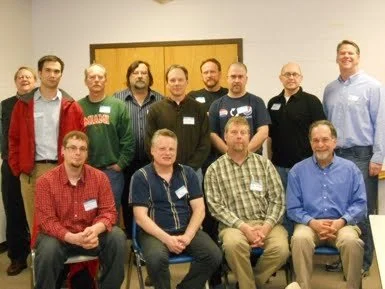
Once the anger was outed, the whole group of men seemed to open up. Inside the shell of anger, the men found fear, sadness, guilt, and shame. Their honesty with each other opened the door to possibilities for connecting with their children. The man who started the discussion didn’t come to disown his son– he came to find out what he could do.

Another man talked about how getting on the floor with his son and just tickling opened the door to the possibilities of playing together. Others shared what they could do with their children and how to follow their child’s lead, and those still at a loss got ideas and inspiration. They planned to meet again.

After my presentation the next day, Jen approached me to say that her husband, Alex, came home determined to find ways of connecting with their son. Maybe now she could get some breaks. She was so grateful there was now a fathers group in their town.

Comment

International Autism Awareness

Robert Naseef April 14, 2011

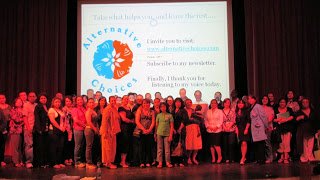
On April 2, 2011, the Autism Society of El Paso sponsored its “12th Annual International Autism Conference.” Over 150 people attended from 2 countries and 3 states: Texas, New Mexico, and Chihuahua (Mexico). On Friday evening, over 40 men gathered to talk about fatherhood when a child has autism. As one father put it, “The conference wasn’t about you, it was about us. You helped us to talk about ourselves and connect with each other.” As the father of a nonverbal adult son on the spectrum, that meant the world to me.Then on Saturday, over 100 men and women, parents, and professionals, Spanish and English speaking, spent the day talking about families and taking care of everyone’s needs. I was their guest speaker and facilitator. Having let down their “armor” the night before, men were able to speak openly of their struggles, their dreams, and their love for their families. The women were deeply moved by hearing how much they are appreciated and then spoke from their hearts.

How is this international? When people come together across borders in different languages to speak of common experiences and shared thoughts and feelings, there is an incredible wave of fellowship and compassion. Men and women showed appreciation for each other and their struggles to be present for each other under trying circumstances. Although connecting for children with autism is different and difficult, being aware makes contact possible. As one parent shared, “If there’s anything our children with autism teach us, it is to be present in the moment.”

Comment

“When I hug my son, he doesn’t hug me back”

Robert Naseef March 28, 2011

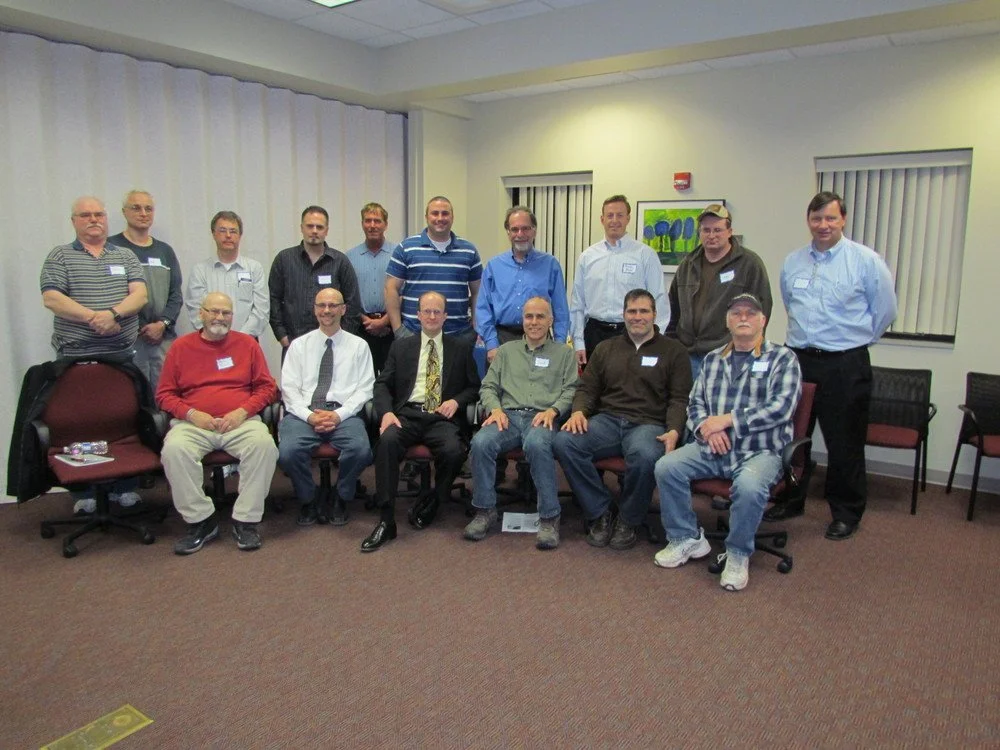
March 24, 2011. Cincinnati. Ten fathers of children with developmental disabilities and 2 male behavior specialists sat around a table on Friday evening waiting to hear what I had to say about being the father of an adult child with autism. They were wondering out loud what it would be like. Only a few had ever been to such a gathering. 10 out of 10 had children on the autism spectrum ranging in age from 6 to 24. Before the discussion began I told them that nothing they said would be wrong. They seemed relieved; then I invited them to share their experiences.

No accident that “When I hug my son, he doesn’t hug me back” resonated in the hearts of these men. Autism at its core is a social disorder of relating and communicating. Mothers have the same heartbreaking moments. It’s just that fathers are far less likely to verbalize their experience.

It’s a stereotype that children and adults with autism don’t connect. But they are not easy to bond with. Another father pointed out that his 7 year old son connects in some ways and not others. This was a rare opportunity for fathers to bond with each other and experience a sense of fellowship.

It felt good to be able to create that space for men by sharing bits of my own journey. Some of their children are nonverbal, some speak slowly, and others can’t stop talking. As one father mentioned his son who is slow to speak forces others to slow down. Because our children connect and speak differently, we have to pay attention closely. They actually engage us in a different way.

The men talked about their struggles and what they are learning. For example, the type of discipline many of their fathers used with them just didn’t work. Some spoke of “belt lessons” they received, and others described the shame they felt when not meeting their fathers’ expectations.

Comment
  • Dr. Naseef's Blog
  • Older
  • Newer
facebook youtube instagram

Alternative Choices in Psychotherapy and Autism Evaluation

Philadelphia, PA

Alternative Choices | 319 Vine Street #110, Philadelphia, PA 19106, USA

facebook youtube instagram