Alternative Choices in Psychotherapy and Autism Evaluation

Philadelphia, PA
  • Home
  • Autism Diagnosis
  • Who We Are
    • Robert Naseef, Ph.D
    • Cindy Ariel, Ph.D
    • Robert Sher, Ph.D
  • Dr. Naseef's Blog
  • Public Speaking
    • About Dr. Robert Naseef
    • Keynote Topics
    • Previous Speaking Engagements
    • Endorsements
    • Videos
    • Contact
  • Our 4 Books
  • Contact
  • Home
  • Autism Diagnosis
    • Robert Naseef, Ph.D
    • Cindy Ariel, Ph.D
    • Robert Sher, Ph.D
  • Dr. Naseef's Blog
    • About Dr. Robert Naseef
    • Keynote Topics
    • Previous Speaking Engagements
    • Endorsements
    • Videos
    • Contact
  • Our 4 Books
  • Contact

Dr. Naseef's Blog

Robert Naseef's blog provides insightful views on neurodevelopmental disorders, especially Autism Spectrum Disorders. Combining personal experience and professional insight, he explores challenges faced by individuals on the spectrum and their families. The blog highlights understanding, acceptance, and practical support, serving as a valuable resource for caregivers and professionals seeking deeper awareness and effective strategies.

  • All
  • Acceptance
  • ADHD
  • AuDHD
  • autism
  • autism parents
  • autistic adults
  • autistic children
  • Autistic children
  • civil rights
  • Diagnosis
  • disability justice
  • disability rights
  • Fathers
  • medicaid
  • racism
  • Resilience
  • scientific integrity
  • social justice

How did the vaccine controversy start and why won’t it go away?

Robert Naseef February 17, 2015

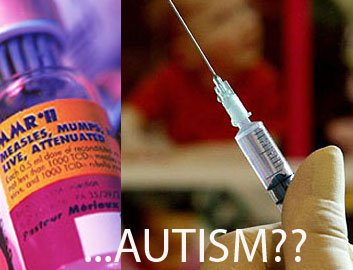
Facts are stubborn things, but study after study and warning after warning doesn’t kill the intense fear that many parents have about vaccinating their children. My son, Tariq, received the MMR vaccine (Measles, Mumps, Rubella) in 1981 around the same time that he lost his speech and started flapping.  From my experience since then, I have gained insight into ‘the vaccine issue’ that makes it at least understandable and may help to even do something about it.

Generally, the first signs or “Red Flags” of autism, that my son began to show as a toddler, appearing in the second year of life often around 18 months when the measles vaccine is routinely given. Herein lays the connection which some parents and professionals were making by the mid-1980s. Some were convinced that the vaccine was the cause or the smoking gun.

Autism has no singular cause and no known cure. Not every individual with autism is disabled, but many are. Not every diagnosis is a trauma or tragedy, but many are. While every child is a unique and special human being with gifts as well as challenges, the unemployment rate for adults with autism hovers between 70 and 80%. As parents, we want to have a cause for the problem. With a cause, we can have the hope that a cure is possible.

In 1998, Dr. Andrew Wakefield published a study in a prestigious British medical journal, The Lancet, which proposed a causal link between the MMR vaccination and autism.  Even though most of Wakefield’s co-authors wrote a retraction and disagreed with the conclusion, parent activists, including high profile celebrities, were especially alarmed about the idea that the MMR vaccine caused autism. There was a perfect storm as the number of children diagnosed with autism was increasing rapidly due to several factors including increased awareness and changes in diagnostic criteria.

Besides the discredited research, several large studies found no evidence of a causal relationship between the MMR and autism. In 2010, The Lancet retracted the 1998 article because it was based on fraudulent data, and Wakefield’s medical license was revoked in the UK. But the parent community remained terrified that their children could be infected with autism through vaccinations.  Some parents felt certain and signed onto litigation against the pharmaceutical companies that made the vaccine. Vaccines do have documented but rare side effects and a small number of parents won their cases.

So why does the controversy continue?

When professionals and politicians merely recite facts and do not show an understanding or respect for the legitimate fears and needs of parents we cannot expect this controversy to go away.  From my own scientific training, I knew that the timing did not prove causation.  Like others, when my son changed at 18 months, I wondered about the causal link between autism and the vaccination.  As a social scientist, however, I was not convinced and read the scientific research with great interest. Still, I lived in fear that lightning could strike twice as it actually has for many parents.

I have a view from the trenches of autism, and I feel the pulse of the parent community. Most of us love our children as much as life itself.  Tariq, now 35, does not speak, or read, or write, and he lives in a group home outside Philadelphia. It has not been an easy journey, but I don’t look back to his vaccinations.

As I have found through my work, compassion for parents’ point of view and honoring their perspective helps terrified parents to think through their options and make better-informed choices. All of which still amounts to taking a chance at your best future. There are no guarantees. Everyone wants to welcome a happy, healthy child with a bright future into their family.  The outcome of any birth and any day for that matter remains uncertain– not just because of autism but because of any of life’s unpredictable events.
Click to sign up for Dr. Naseef’s monthly email newsletter.

Comment

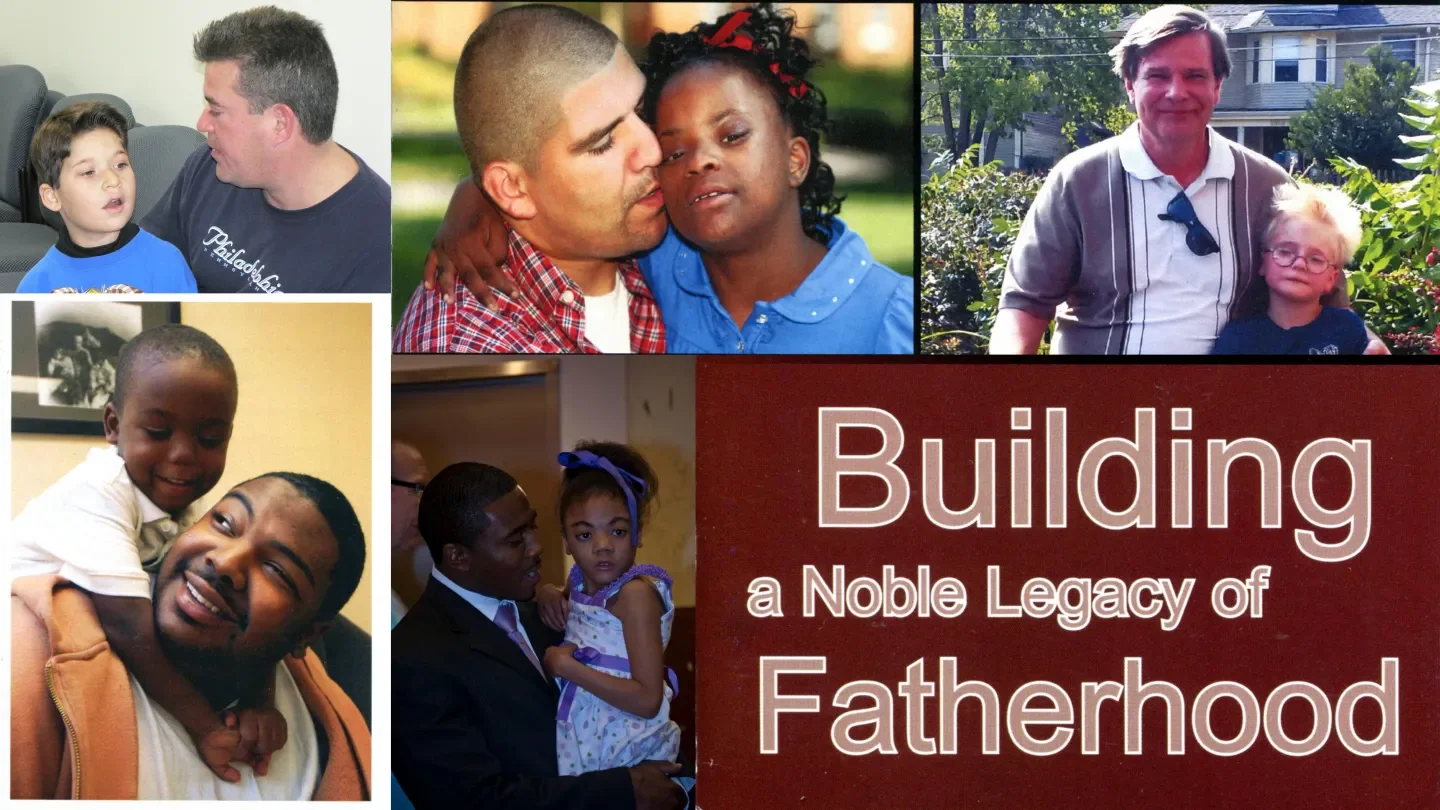
Fathers Talking about Post-Traumatic Growth

Robert Naseef December 17, 2014

There was more than enough suffering to go around. For the most part, the shock and awe of the original diagnosis had worn off as 49 fathers of special needs children shared their stories at the annual conference of the Washington State Fathers Network in Seattle on October 11.

Most men embrace the role of problem solvers and want to solve the problems of their child’s special needs. But it’s not that simple. The disability is a gritty and unwelcome reality that brings up difficult feelings that are hard to talk about.

For most men, it’s ok to be angry but the sadness and the worry of day-to-day life just stick in our throats. As the men on the opening panel discussion struggled to give voice to their experiences, it seemed that everyone’s heart opened as they listened.

This typical difficulty voicing feelings is often the root of male depression and a huge problem in relationships.  The diagnosis was not wanted or expected; nonetheless, these guys had fallen in love with their children all over again. Despite and even because of the trauma of diagnosis, accepting a child drastically different from the one expected often makes incredible growth possible.

Learning to speak and listen from the heart can bring us so much closer to our families. Sharing our experiences- whether they are the heartbreaking frustrations or the little breakthroughs and celebrations- is the best medicine for the isolation which is so profound at the beginning of this journey.

During an open mic session, one man shared that his 18-year-old son with autism had just failed his driver’s test. He is determined to pass next time. Learning to drive was a small inconceivable miracle when his son was in early intervention.

The father of a medically fragile daughter with cerebral palsy who is not able to speak shared his anger about the birth injury.  In his next breath, he bragged about how his daughter is 100 pages ahead of the rest of her mainstream class in math.

Another man’s feelings emerged in telling the story of how his son with Down syndrome took over the top bunk when his older brother went away to college. The conversation asking for permission between his sons confirmed their brotherhood and touched everyone listening.

Every day, children with special needs teach parents profound lessons. That growth from the original trauma forges a loving identity we can be proud of.

Click to sign up for Dr. Naseef’s monthly email newsletter.

Comment

Resilience: Bouncing Back from Adversity

Robert Naseef October 30, 2014

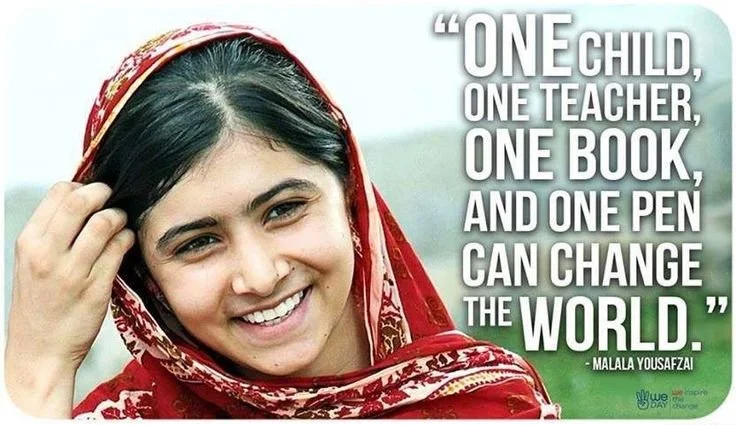
People bounce back from adversity and are even transformed by it far more often than we might guess.  How do they do it? Take, for example, Malala Yousufzai, this year’s winner of the Nobel Peace Prize. In October 2012, in Pakistan, a Taliban gunman shot her in the head on a school bus as she sat with her friends because of her outspoken advocacy of girls’ education. She attended the school that her father had founded.

Malala did not give up.  The bullets have intensified her commitment and garnered the support of the international community.  Closer to home, there are many unsung heroes who were celebrated at the 3rd Annual Family Resilience Conference sponsored by the Devereux Foundation on October 18, 2014.

The keynote speaker was Andrew Solomon, the best-selling author of Far From the Tree: Parents, Children and the Search for Identity. His talk to about 175 parents and professionals was titled, “Our Differences Unite Us.” In his research about parenting children with special needs, he found difficult lives full of pain and complexity, but he was amazed at how much joy he discovered.

Solomon articulated the dilemma of parents needing to change and teach their children versus accepting them and loving them for who they are.  He found a vast gray area and concluded that equanimity is hard won between fixing (the illness model) and acceptance (the identity model).

While every child is a surprise and not as anticipated, he observed parents strongly attached to the child they have. He described how parents became in his words “grateful for the lives they would’ve done anything to avoid.” As the father of an adult child with autism, this has certainly been my experience.

What summed it up was Solomon’s statement that resilience is a shared commodity in that one person generates it in another. The individual, the family, and the broader society each facilitate the ability to bounce back and be transformed in the process.

After lunch, Paul LeBuffe, the Director of the Devereux Center for Resilient Children (http://www.centerforresilientchildren.org/),  facilitated a town hall meeting and panel discussion about personal and family resilience. Inspired by the keynote address, there was a spirited discussion about how families keep it together in the face of the ongoing stress.

The overall lesson of the day is captured in this quote from Andrew Solomon’s landmark book:

 “Having always imagined myself in a fairly slim minority, I suddenly saw that I was in a vast company. Difference unites us. While each of these experiences can isolate those who are affected, together they compose an aggregate of millions whose struggles connect them profoundly. The exceptional is ubiquitous; to be entirely typical is the rare and lonely state.”

Click to sign up for Dr. Naseef’s monthly email newsletter.

Comment

Dealing with Adversity: Everyday Traumas and Lessons in Mindfulness

Robert Naseef October 28, 2014

I never thought when I woke up that I would have a lesson in mindfulness this particular day.  It was a beautiful day, and then in an instant, I wiped out on my bicycle and landed hard on my right shoulder. I thought I would be okay in a few days, but that was not the case.  My summer plans were out the window.

Shoulder surgery meant 6 weeks with my right (preferred) arm in a sling. I couldn’t drive for at least 2 months. Bike riding, swimming, and gardening were out. Not to mention 12 weeks of physical therapy and up to 12 months for maximum recovery.

I was shaken, scared, and somewhat traumatized. But it was just an everyday trauma, almost trivial in a world where war, famine, and natural disasters impact millions of people daily. What it meant for me was that a piece of my stability and security vanished. My personal sense of safety was altered.

I was confronted by the inescapable reality that trauma is an indivisible part of the human experience. It’s a fact that we rather not face but is not the last word. Some trauma, if not too severe, actually offers a chance to grow and broaden our horizons.

Having been healthy and strong, I wasn’t used to feeling weak and vulnerable and needing to ask for help. I surprised myself that I wasn’t filled with resentment. I unexpectedly found more peace from accepting and settling into life as it unfolded.

Now with my physical discomfort as a focus of attention, I am more aware of every step I take, more aware of my body in space, and more aware of speaking and listening to the people around me. Most of all, I am experiencing a deepened gratitude for everything I can do and for the support from my wife and daughters, family and friends—and others who ask about my “broken wing.”

There have been good days and bad days, with slow healing and recovery. There are more than enough tragedies and painful experiences in the world. There is no need to exaggerate or minimize. My own trauma has deepened my compassion for the small and large traumas around me – everyday trauma and more serious inescapable traumatic events.

Life is fragile, and we are powerless in the face of this reality. By facing it, we find wisdom, tolerance, connection, and love. My everyday injury continues to be a profound lesson in humility and how much I have left to learn.

Click to sign up for Dr. Naseef’s monthly email newslette

Comment

A Magical Connection

Robert Naseef July 31, 2014

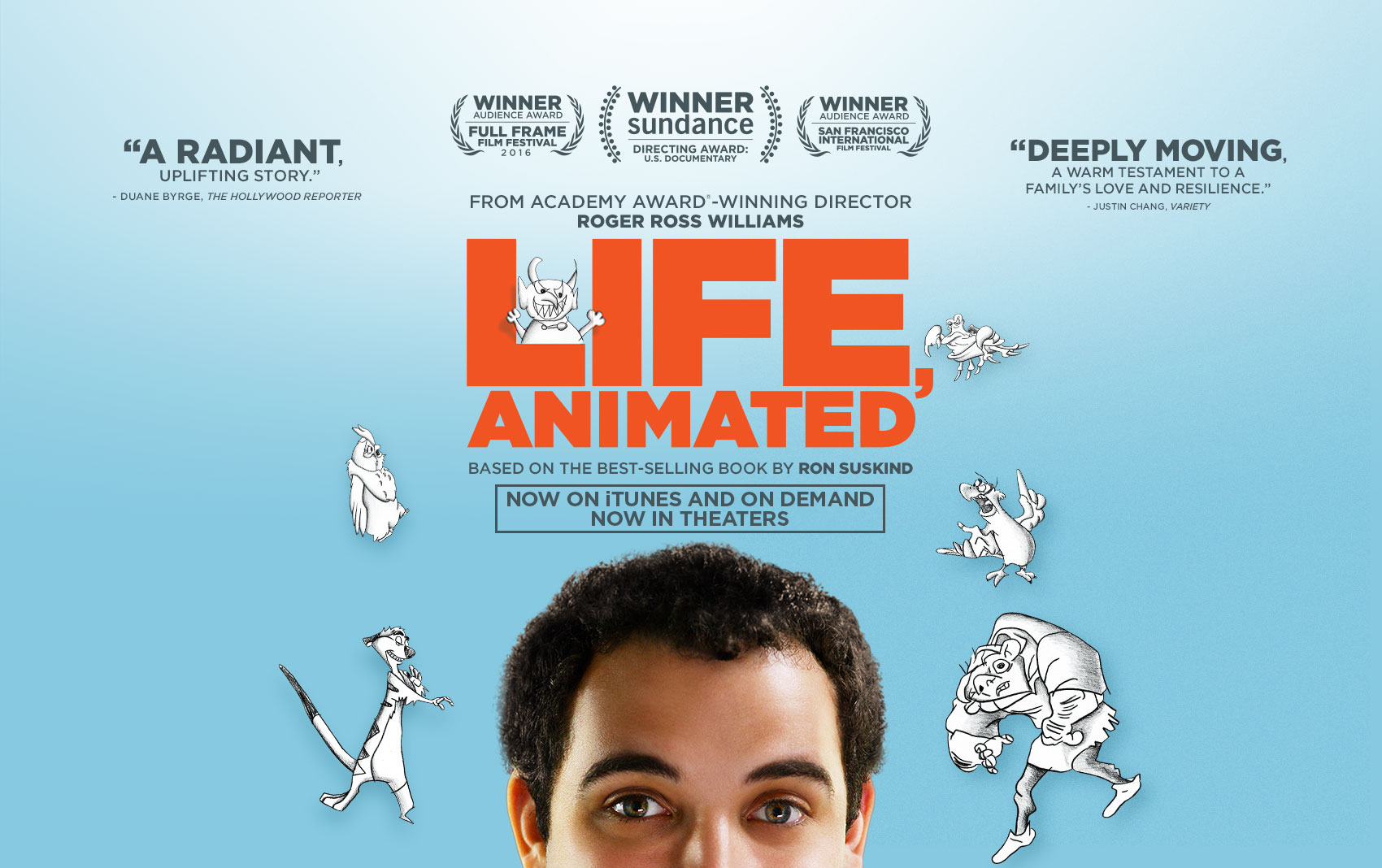
While catching up on my reading, I found a real gem: Life Animated: A Story of Sidekicks, Heroes, and Autism by Ron Suskind. I had heard and read about it, but the original motivated me to write about this family’s story and the wisdom of their son with autism.

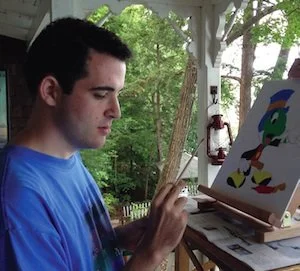
Owen stopped speaking just before his third birthday, had trouble sleeping, and cried inconsolably. However, he remained fascinated with Disney animated movies which he loved before the autism emerged. His father’s account of how the family connected with him through this special interest led to a series of breakthroughs. The family watched those movies over and over and began to communicate with their son through the movie scripts.

Joining with a child’s interest is not a new concept; in fact, it came from developmental psychology and has become an accepted part of most autism treatment programs. What is remarkable in this book is the intimate account of how this worked day in and day out in a family: their thoughts, feelings, frustrations, and experiences. We also learn how they built partnerships in their son’s interest with teachers, therapists, and mental health professionals.

Having read hundreds of autism books from parents, researchers, teachers, various therapists, and people with autism, and having written a few myself, I would have to say this is one of the best yet.

It’s so much more than just the memoir by a Pulitzer prize-winning journalist. It has a broad applicability across the autism spectrum and across cultures and social classes. Beyond that it’s about what it means to be family.

Of course, average families do not have the financial resources of the Suskinds who poured about $90,000 per year into resources to help their son. With adequate public support, the methods they used can be made broadly available to address the rapidly expanding public health crisis of autism which currently affects over 1% of children born worldwide, 80% of whom are boys.

There is real grit devoid of a storybook ending; Owen Suskind does not recover from autism. He does make amazing progress, graduates from high school, attend a transitional program on Cape Cod and meets a Disney producer. He does not become a Disney animator as he had dreamed. Owen will likely never become completely independent as his parents had dreamed.

Nonetheless and maybe because of this, Owen, like my adult son with autism who is nonverbal, is a good son and a good brother who has taught his family incredibly profound lessons.

Click to sign up for Dr. Naseef’s monthly email newsletter.

Comment
  • Dr. Naseef's Blog
  • Older
  • Newer
facebook youtube instagram

Alternative Choices in Psychotherapy and Autism Evaluation

Philadelphia, PA

Alternative Choices | 319 Vine Street #110, Philadelphia, PA 19106, USA

facebook youtube instagram